When your suitcase is missing, your meeting starts in forty minutes, or the hotel room air feels painfully dry, blush is not the product to overcomplicate. Blush cream blush can give a tired face some color with one small pot or tube, but the result depends on climate, skin preparation, shade, and application pressure. This is a practical guide for choosing and using it when you have limited products and no time for a perfect makeup routine.
Why cream blush works well in a travel kit
A cream formula earns space in a carry-on because it can replace several steps. You can tap it onto cheeks with clean fingers, use a small brush if you packed one, and sometimes blend a little across the bridge of the nose or onto the lips. Unlike a pressed powder compact, it is less likely to crack after a rough trip through a packed personal item. A tube also takes up very little room beside sunscreen, concealer, and lip balm.
The best blush cream blush for a travel kit is not necessarily the most expensive option. A $7 to $14 product from e.l.f., Milani, Maybelline, or ColourPop can be more useful than a luxury compact if the shade blends quickly and the container closes securely. Look for a color that still looks natural after foundation, because a shade that seems subtle on bare skin can become surprisingly strong over coverage.
Cream blush is especially helpful for dry or dehydrated skin. Powder can catch on flaky areas, while a flexible cream finish tends to sit more comfortably over moisturizer. That does not mean every formula is suitable for sensitive or acne-prone skin. Fragrance, essential oils, and heavy occlusive ingredients can be irritating for some people, so read the ingredient list when your skin is reactive.
Choosing a formula for heat, humidity, and cold air
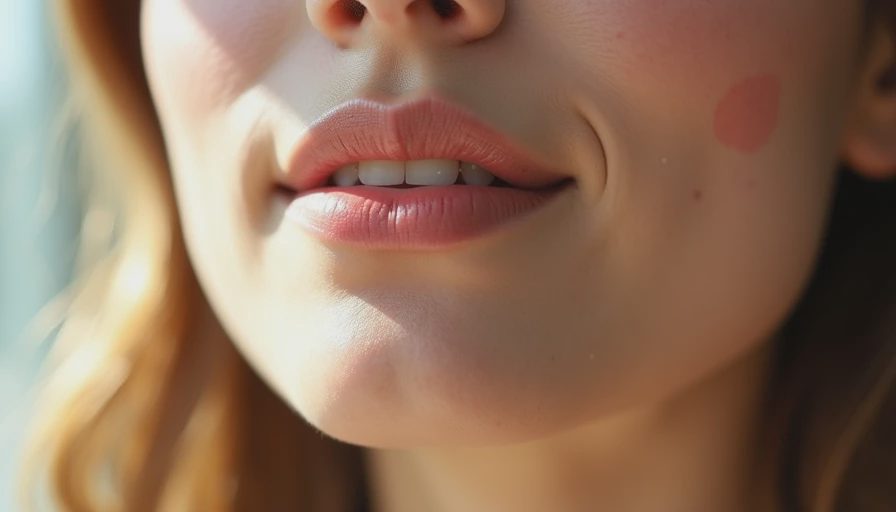
Hot weather changes the test. In humid conditions, a very emollient blush cream blush can stay tacky, move when you touch your face, or collect around pores. A thin, buildable formula with a satin or soft-matte finish is usually easier to manage. Apply a small amount, wait a minute, and add a second layer only where the color disappeared. Setting spray can help, but a thick layer of powder often makes the finish look dry.
For a dry, cold destination, choose a cream with enough slip to blend over moisturizer without dragging. Apply skincare first, then allow it to settle for several minutes. If sunscreen remains wet or slippery, the blush can break into uneven patches. A pea-sized amount of primer is optional; it is not a rescue product for skin that still has unabsorbed lotion underneath.
Airport shopping creates another constraint. At a CVS, Walgreens, Target, or similar drugstore, test the shade under ordinary indoor lighting and compare it with your neck rather than your hand. Warm coral, muted rose, and neutral berry are often more adaptable than an extremely pale pink or highly orange shade. The right color should look alive, not like a separate stripe.
Application when you have ten minutes
Start with the smallest amount that could possibly work. Put one dot on the high point of each cheek, then tap outward toward the temples. Do not place the first heavy mark directly beside the nose; that makes the face look flushed in a way that is harder to correct. Use the remaining product around the edges of the face for a softer transition.
A blush cream blush generally blends best with tapping rather than rubbing. Fingers warm the product and can make it look seamless, while a dense synthetic brush gives more control over a pigmented formula. If the color becomes too strong, press a clean sponge or the fingertips over the area. You can also soften the edge with the foundation brush you already used, but do not add a fresh layer of foundation over the entire cheek unless you want to redo the base.
For a polished video-call look, place the color slightly higher than you would for an evening out. Cameras and overhead hotel lighting can flatten the face, so color near the upper cheekbone often reads better. For an in-person meeting, keep the edge diffused and check the result near a window before leaving.
Blush cream blush by skin type
Dry skin usually benefits from a dewy or satin formula, applied over a comfortable moisturizer. Avoid dragging a brush across rough patches. If the product emphasizes texture, mix a tiny amount with a drop of lightweight face moisturizer in your palm, but expect the wear time to shorten.
Oily skin can still use blush cream blush successfully. Choose a thinner formula, keep skincare light on the cheek area, and set only the center of the face with a small amount of translucent powder. A compatible powder blush layered on top can extend wear, although this adds another item to the bag. Blotting before reapplying is better than repeatedly adding cream over oil.
For acne-prone or reactive skin, hygiene matters as much as the finish. Avoid double-dipping into a jar with unwashed fingers. Use a clean cotton swab or spatula, and remove makeup before sleeping rather than testing its overnight durability. A patch test is sensible when a product is new and your skin has a history of reacting to fragrance or preservatives.
When the product fails and how to fix it
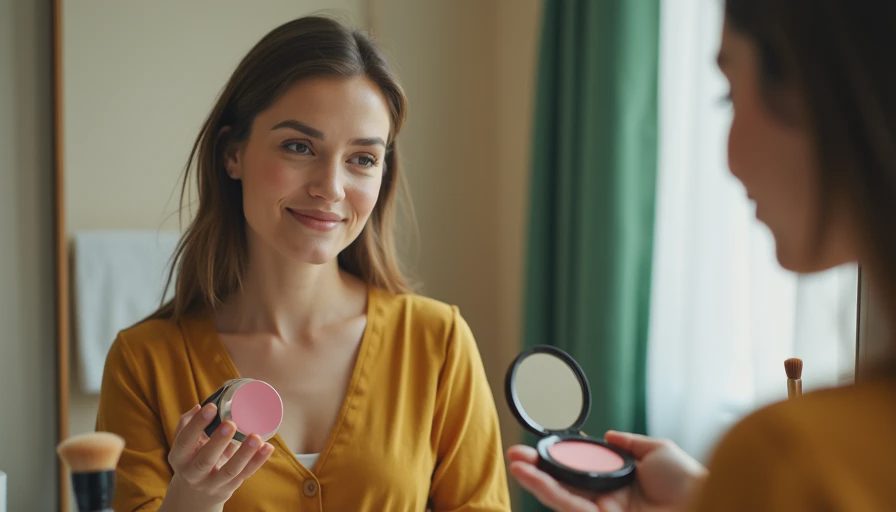
The most common failure is lifting the base underneath. This usually happens when the cream is rubbed across foundation that has not set, or when too much skincare remains on the surface. Press the blush into the skin instead of sweeping it, and use less product on the second cheek. If the base has already moved, stop blending and press the area with a tissue. Add a little concealer only after the surface is calm.
Another failure is disappearing color. Very sheer blush cream blush may look attractive in a bathroom mirror but vanish after an hour in heat. Build it in two thin layers, then take a photo in daylight. If you need longer wear, a matching powder blush can be pressed lightly over the cream, especially under air conditioning or during a long event.
A shade can also fail because it turns orange, gray, or too bright against the rest of the makeup. Do not judge it only in the store. Foundation undertone, sunscreen, and hotel lighting all change the impression. A neutral rose is often a safer emergency purchase than a bold trend shade when you cannot return the product.
A compact packing plan
For a three-product kit, pair blush cream blush with a skin tint or concealer and a tinted lip balm. The blush supplies color, the concealer handles visible redness, and the balm keeps the face from looking unfinished. Add mascara if there is room. A small mirror is useful, but a clean phone camera can reveal uneven edges in a pinch.
Pack the product in a zip pouch rather than loose beside a charger or keys. If it is a pot, place a thin piece of clean plastic film under the lid only if it does not interfere with the seal. Keep it out of a hot parked car, where texture can soften and separate. Before an important appearance, test the product for at least four hours at home if possible, including a walk outside and a period in air conditioning.
A good travel blush should survive your actual routine, not an imaginary perfect morning. Record the conditions: temperature, humidity, skin preparation, foundation, application method, and the hour when it failed. That turns one rushed purchase into useful information for the next trip.
The practical take
Blush cream blush is most valuable when it solves a specific constraint: limited luggage, dry airplane air, a rushed drugstore stop, or a face that looks flat after travel. Choose a buildable shade, apply less than you expect, and give each layer time to settle. Drugstore options from e.l.f., Milani, and Maybelline can handle everyday travel without requiring a large makeup bag, while a more expensive formula is worthwhile only if its texture suits your skin and climate.
Before packing, ask three questions: Will it blend over the base I actually use? Can I control the color with my fingers? What happens after four hours in my destination's weather? If the answers are clear, this small product can make a tired travel face look deliberate in under two minutes. If it turns sticky, lifts your foundation, or irritates your skin, document the conditions and choose a different formula rather than blaming every cream blush for one climate-specific failure.



No notes yet — write the first one.