If your checked bag disappears and your face has to survive a dry airplane cabin, a humid destination, or a rushed hotel-room makeup session, hyaluronic acid can be a useful carry-on product. It is not a miracle fix, and it cannot replace sunscreen, cleanser, or a proper moisturizer. Used with the right final layer, however, it can make tight, uncomfortable skin feel more manageable before a meeting or long travel day.
What hyaluronic acid actually does
Hyaluronic acid is a humectant, which means it attracts and holds water at the skin’s surface. It is naturally associated with skin, but the ingredient in a serum or moisturizer is applied topically. The practical result is a temporary hydrated feel and a smoother-looking surface, especially when dryness makes fine lines or flaky patches more noticeable.
The formula matters more than the trendy ingredient name. Some products contain a simple water-based gel, while others include glycerin, panthenol, ceramides, or soothing ingredients. A lightweight serum can work well under makeup, but it usually does not provide enough oil or barrier support to seal in moisture by itself. That is why applying it to slightly damp skin and following with cream is more reliable than leaving the serum exposed to dry cabin air.
For a rushed drugstore purchase, look for a short ingredient list, a sealed package, and packaging that will not leak into your makeup bag. A fragrance-free option is often easier to tolerate when your skin is already irritated by weather, travel stress, or frequent washing. The Ordinary, CeraVe, Neutrogena, and La Roche-Posay all sell products featuring hyaluronic acid, but the best choice is the one that matches your skin and the rest of your routine.
Using it in dry air and cold weather
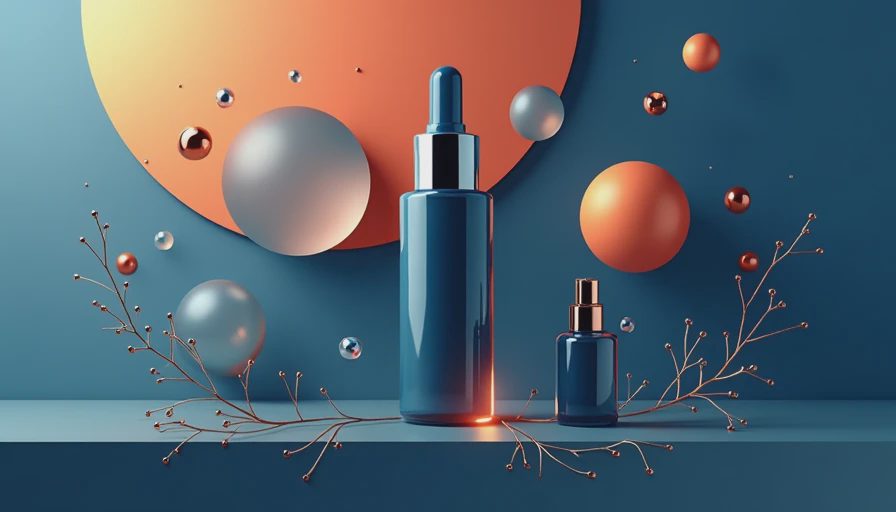
Cold outdoor air and heated indoor rooms can create a particularly uncomfortable combination. You may step off a plane with tight cheeks, spend the afternoon in a heated conference room, and then face wind on the walk back to the hotel. In these conditions, apply hyaluronic acid after cleansing while the skin is still slightly damp. Use two or three drops rather than a thick layer, then press moisturizer over it within a minute.
A cream containing ceramides, squalane, or petrolatum can provide a stronger finishing layer than a thin lotion. If you are prone to clogged pores, use the richer product only on dry areas instead of covering your entire face. The goal is not to keep adding serum every few hours. The goal is to reduce water loss after the first application.
Makeup timing matters. Give the moisturizer five to ten minutes to settle, then remove excess shine with a tissue before foundation. Too much product can leave silicone-based primer or foundation sliding across the nose and chin. If flakes are visible, avoid aggressive scrubbing before an important appearance; gentle cleansing and a comfortable moisturizer are less likely to make the area red.
Using it in humidity and heat
Humid weather changes the problem. Skin may feel tight after cleansing but become shiny once you layer several products. In this setting, hyaluronic acid can work as the hydration step, followed by a lightweight gel moisturizer rather than a heavy balm. Wait until the first layer feels comfortable before adding sunscreen or makeup.
A pea-sized amount of gel moisturizer is usually enough for a full face, although the right amount depends on the formula. If your makeup separates by lunchtime, test fewer layers at home before traveling. A hydrating serum, rich cream, primer, and dewy foundation can become too much in ninety-degree weather, even when each product performs well alone.
For oily or acne-prone skin, focus on texture and wear rather than assuming every water-based product is automatically suitable. Check the full ingredient list, especially if fragrance or essential oils routinely cause problems. Pack blotting papers, a small sunscreen, and a simple cleanser. Hydration does not require a glossy finish, and a thin routine often holds up better under heat.
A three-product emergency routine
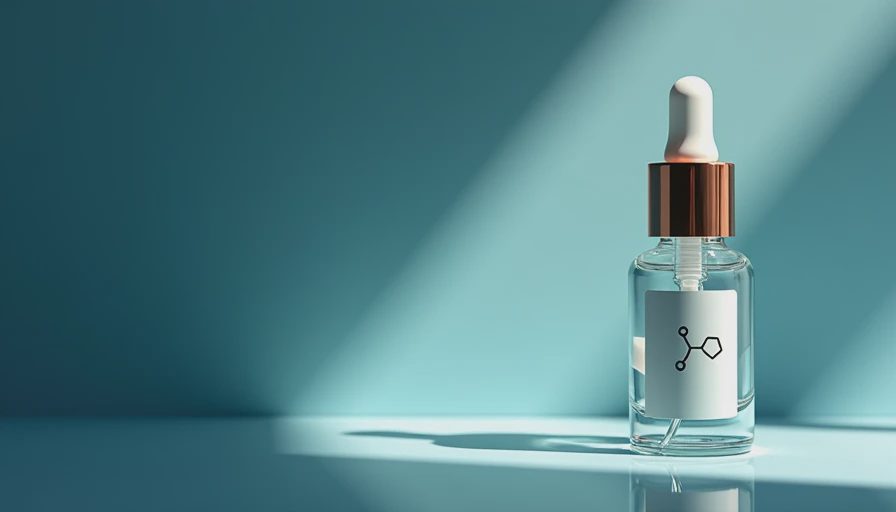
Imagine arriving with only a cleanser, serum, and tinted moisturizer. In the morning, rinse or cleanse gently, apply hyaluronic acid to damp skin, and let it sit briefly. Follow with tinted moisturizer that includes broad-spectrum sunscreen if it offers the protection you need, or use a separate sunscreen first. For a formal meeting, add concealer only where necessary and set the center of the face with a small amount of powder.
At night, cleanse off sunscreen and makeup, apply the serum again if your skin feels comfortable, and finish with the moisturizer. If you have no cream, a tinted moisturizer is not an ideal substitute for a dedicated barrier-supporting product, so purchase one at the nearest drugstore when possible. A basic fragrance-free lotion often solves more problems than a complicated collection of travel minis.
Patch testing is still useful when time allows. Apply a small amount behind the ear or along the jaw and observe the area for a day. This does not guarantee that a product will never irritate your face, but it is safer than introducing a new active-heavy formula on the morning of a presentation.
Common mistakes that cause disappointment
The most common mistake is applying hyaluronic acid to completely dry skin and stopping there. In a dry room, the result can feel tight rather than comfortable. Another mistake is using too much. Several sticky layers can pill under sunscreen, grip dust during a commute, or make foundation look uneven.
Do not treat a hydrating serum as an acne treatment, a replacement for sunscreen, or a cure for eczema. If your skin is cracked, painful, persistently itchy, or reacting to multiple products, simplify the routine and seek professional medical advice. Also read the label before combining it with exfoliating acids, retinoids, or prescription products. The ingredient itself is generally straightforward, but the complete formula and your routine determine the experience.
Finally, do not judge a product only by the first ten minutes. Check how your face feels after an airplane flight, after wearing makeup for eight hours, and after cleansing at night. Those are the conditions that reveal whether the product belongs in your permanent travel kit.
What to pack for the next trip
A practical kit can fit in a clear quart bag: gentle cleanser, hyaluronic acid serum or hydrating moisturizer, sunscreen, one barrier-supporting cream, and the makeup products you know will not pill. Choose travel sizes only if you have tested the formula before. A new full-size bottle bought at an airport pharmacy is still a gamble, especially before a client meeting.
Before leaving, write down the conditions you expect: dry airplane cabin, cold and windy streets, hot humidity, or mixed indoor heating and outdoor weather. Note your skin type, planned wear time, budget, and what failed on the last trip. That simple record turns vague beauty advice into a reference card you can use at the next airport drugstore.
The best routine is the one you can repeat when tired, rushed, and working with limited products. Use hyaluronic acid as a water-attracting layer, seal it with a product suited to your climate, and keep the rest of the routine calm. When the forecast changes, adjust the final moisturizer first rather than piling on more serum. That approach is more dependable, easier to pack, and much less likely to create a last-minute makeup problem.

No notes yet — write the first one.