If you have a late flight, an early meeting, or only a hotel bathroom available, learning how to remove waterproof mascara matters more than owning another makeup product. Waterproof formulas are designed to resist sweat, humidity, tears, and water, so ordinary face wash often leaves behind stiff, dark residue. The fastest safe approach is to dissolve the mascara first, then wipe it away with minimal friction.
This guide explains how to remove waterproof mascara when you have sensitive eyes, dry skin, oily skin, or a tiny carry-on kit. You will need a cleansing oil, bi-phase eye makeup remover, micellar water made for waterproof makeup, or a plain oil such as mineral oil. Cotton rounds, reusable makeup pads, and a clean washcloth can all work, but the technique matters more than the brand.
Start by dissolving, not scrubbing
The most common mistake is rubbing harder when mascara does not disappear immediately. That can pull on lashes, irritate the eyelid, and leave the delicate skin around the eyes feeling raw. Instead, saturate a cotton round with an oil-based or bi-phase remover. Close one eye and hold the pad over the lashes for 20 to 30 seconds. This pause gives the solvent time to break down the waxes and pigments.
After holding, glide the pad downward in the direction of lash growth. Do not saw back and forth across the lash line. Fold to a clean section and repeat once or twice. For mascara concentrated at the roots, use a cotton swab with a small amount of remover and roll it gently along the base of the lashes. Keep the product out of the eye itself, and rinse promptly if you experience burning or persistent blurred vision.
When considering how to remove waterproof mascara, think of it as a short soak followed by a gentle lift. A $7 to $12 drugstore bi-phase remover can be more useful in a travel bag than a full cleansing routine because it handles long-wear pigment without requiring a sink full of water.
Choose a remover for your skin and climate
In a dry hotel room or cold climate, a cleansing balm can feel comfortable because it softens makeup while reducing the dragging sensation of a dry cotton pad. Clinique Take The Day Off Cleansing Balm and The Inkey List Oat Cleansing Balm are familiar examples, though a budget cleansing balm can do the same basic job. Massage a small amount over closed eyes, wait briefly, and remove it with a damp, soft cloth.
For oily or humid conditions, a bi-phase eye remover is often less messy than a thick balm. Shake the bottle until the oil and water layers combine, then apply it to the lashes. Garnier SkinActive Micellar Water with oil is widely available at drugstores, while Neutrogena Oil-Free Eye Makeup Remover is another common travel-size option. “Oil-free” does not mean it removes every waterproof formula equally well, so allow extra contact time instead of increasing pressure.
If your eyes are reactive, skip fragranced products and avoid using facial wipes as your only method. Wipes can be convenient during a flight, but many are too dry for stubborn mascara and encourage repeated rubbing. Look for a remover labeled for sensitive eyes, use a clean pad, and wash your hands before touching the eye area.
A five-minute removal routine
Here is a practical process for how to remove waterproof mascara after a long day of travel:
- Wash your hands and remove contact lenses before applying remover.
- Separate the lashes gently with clean fingers if they have clumped together.
- Saturate two cotton rounds rather than using a barely damp pad.
- Hold one over each closed eye for 20 to 30 seconds.
- Sweep downward, then use a fresh area of the pad for the outer corners.
- Clean the lower lashes with a cotton swab or the corner of a soft pad.
- Rinse with lukewarm water or follow with a gentle facial cleanser.
- Pat dry and apply a small amount of bland eye-area moisturizer if the skin feels tight.
Do not use hot water, alcohol, nail polish remover, or household oils that contain fragrance. Coconut oil can dissolve some mascara, but it can also feel heavy and may bother people who are prone to clogged pores around the eyes. A purpose-made remover is usually easier to control, especially in a shared hotel bathroom.
What to do when mascara is still stuck
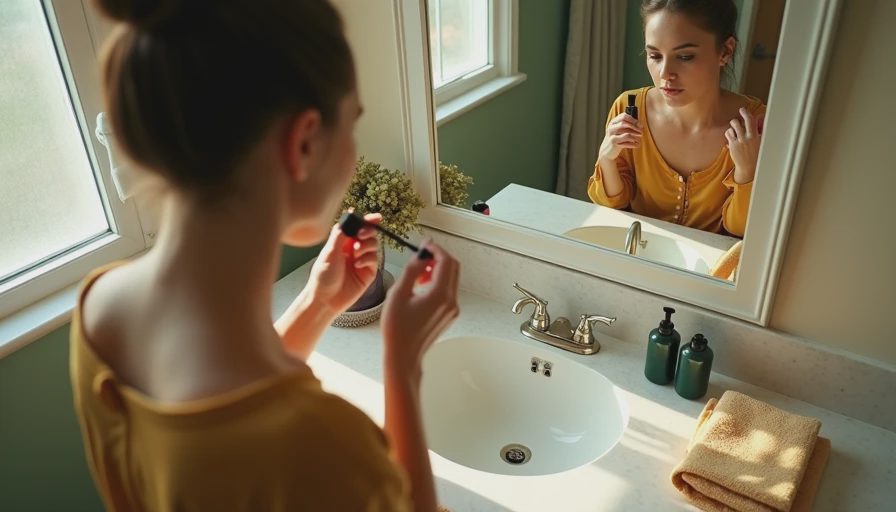
Sometimes a tubing effect, waterproof topcoat, or several layers of mascara leave small black flakes near the lash roots. Add more remover to a fresh cotton swab instead of pulling at the flakes with your nails. Press the swab against the area for several seconds, then roll it away from the eye. A clean spoolie can help separate lashes afterward, but it should never be used to scrape hardened product.
If you wear waterproof mascara daily, build in an extra minute at night. Removing the product fully prevents tomorrow’s mascara from mixing with yesterday’s residue and creating heavier clumps. It also lets you notice redness, swelling, broken skin, or unusual lash loss. Stop using the product and seek professional medical advice if irritation continues after cleansing, especially if you have pain, discharge, or vision changes.
Carry-on kits for real constraints
A compact removal kit can fit in a quart bag without taking over your luggage. Pack a 30-milliliter bottle of bi-phase remover, four cotton rounds in a sealed pouch, two cotton swabs, and a small fragrance-free cleanser. If liquids are limited, use a solid cleansing balm and a soft reusable pad. Keep the pad in a breathable bag after washing it; sealing a damp cloth in plastic can create an unpleasant smell by the next morning.
For a drugstore-only emergency, choose the remover that specifically mentions waterproof or long-wear eye makeup. A $5 to $15 product is enough for most travelers, and there is no need to buy a luxury formula at the airport. If the only available option is micellar water without an oil phase, use two passes with generous soaking time and follow with a cleanser. It can work, but it usually takes more patience.
The morning-after check
The final step in how to remove waterproof mascara is checking the lashes in good light the next morning. Look along the upper lash line and under the lower lashes for gray or black residue. If you see any, use a fresh cotton swab with remover and clean only that spot. Avoid applying new mascara over flakes because the added layers become harder to dissolve later.
For your reference card, record the conditions: hot and humid, cold and dry, overnight flight, sensitive eyes, or limited water. Note when the product failed and what you changed. A remover that feels perfect in a dry winter hotel may feel greasy in summer humidity. The reliable formula is simple: soak, wait, glide, rinse, and stop before the skin becomes sore. That is how to remove waterproof mascara efficiently while keeping a rushed travel morning manageable.


No notes yet — write the first one.