If you want to tan using sunscreen, the goal is not to lie motionless in harsh midday sun until your skin turns pink. The practical goal is to reduce UV damage while accepting that sunscreen does not block every ray. You can still develop color with sunscreen, but the process is slower, uneven protection is common, and a burn is not a useful shortcut. This matters even more when you are traveling with sensitive skin, a limited toiletry bag, or a meeting the morning after a beach day.
What sunscreen can and cannot do
Sunscreen reduces exposure to ultraviolet radiation; it does not make extended sunbathing risk-free. Broad-spectrum SPF 30 or higher helps protect against UVA and UVB, while water-resistant formulas are better for swimming or heavy sweating. SPF 50 can be a sensible choice for fair, reactive, or easily freckled skin, especially at a bright destination. No sunscreen gives complete protection, and a high SPF is not permission to stay outside all afternoon without shade.
When people tan using sunscreen successfully, they usually avoid the dramatic cycle of burn, tightness, peeling, and patchy color. A burn indicates skin injury, not a better tan. Peeling can erase the color you hoped to keep and can make makeup sit badly over dry patches. If your skin feels hot, painful, or unusually tight, leave the sun rather than adding another layer and continuing.
The product itself is only part of the equation. A generous application matters more than choosing a fashionable bottle. For the body, many adults need roughly a shot-glass amount for one full application, while the face needs about two finger lengths when sunscreen is applied alone. Spray sunscreen still needs thorough rubbing in unless its label gives different instructions. A quick mist over shoulders is rarely dependable coverage.
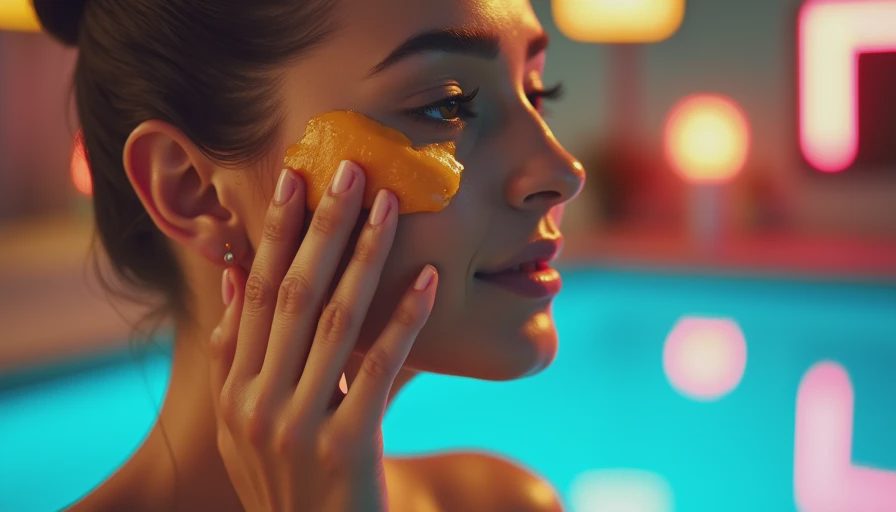
Choosing a formula for travel and difficult skin
For oily or acne-prone skin, look for lightweight lotion, gel, or fluid formulas labeled noncomedogenic. For dry skin, a moisturizing cream can be more comfortable than an alcohol-heavy gel, particularly on an airplane followed by a dry, windy destination. Sensitive skin often does better with fragrance-free products and, if chemical filters sting, a mineral formula containing zinc oxide or titanium dioxide.
If you want to tan using sunscreen at a pool or on a humid boardwalk, choose water resistance and pack enough for repeated applications. Water-resistant does not mean waterproof. The protection decreases after swimming, towel drying, or prolonged sweating. A stick can be useful around the nose, ears, and cheekbones, but it is easy to under-apply across a whole arm or leg. Use a lotion as your main layer and a stick for touch-ups.
Do not confuse tanning oil with sunscreen. Some tanning oils have low SPF, while others are simply moisturizing products with little or no UV protection. An oil can make skin look glossy and encourage longer exposure, but it does not cancel out UV damage. If you like a glow, use a body oil after the day outdoors or choose a cosmetic bronzing product for color without extra sun.
Timing, reapplication, and the details people skip
Apply sunscreen about 15 minutes before going outside when the label recommends it, giving the film time to settle before clothing or water rubs against it. Cover the tops of feet, hands, ears, hairline, neck, shoulders, and the part in your hair. These areas are easy to forget and often become the first painful evidence of a rushed morning.
Reapply at least every two hours during outdoor exposure, and sooner after swimming, sweating, or towel drying. The two-hour habit is easier when connected to a real event: after lunch, after a hotel pool break, or before walking back from the beach. If you are trying to tan using sunscreen, reapplying does not remove all tanning potential. It simply reduces the amount of UV reaching your skin compared with wearing no sunscreen or applying it once.
Clothing and shade are useful tools, not signs that you failed at tanning. A wide-brimmed hat, sunglasses, a cover-up, and an umbrella can protect areas that sunscreen misses. Plan more outdoor time in the morning or later afternoon instead of treating noon as the only opportunity. You will usually get a more comfortable, even result and avoid spending the evening unable to sleep on one shoulder.
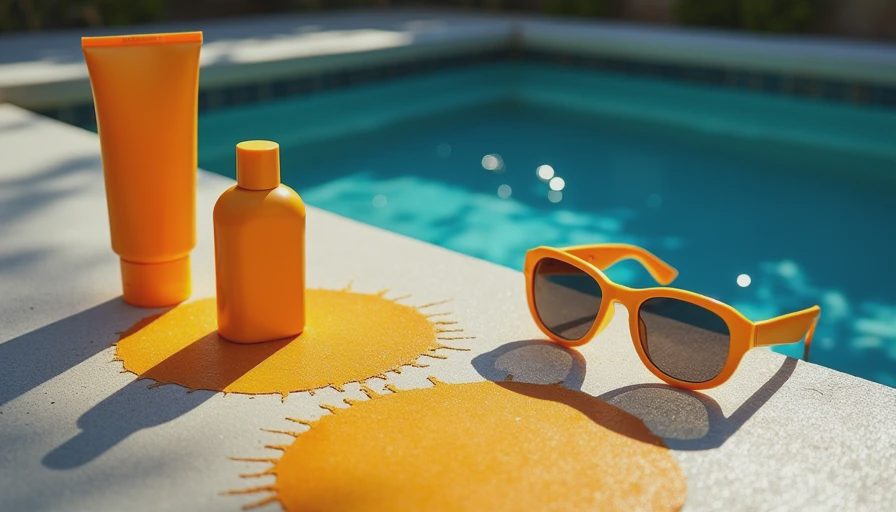
A realistic routine for a beach or city trip
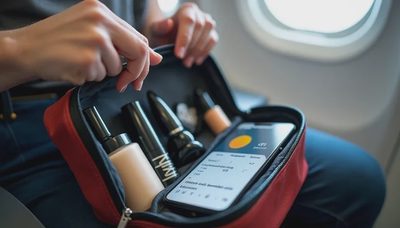
Before leaving the hotel, apply sunscreen to clean, dry skin and give it time to settle. If you wear makeup, use a separate broad-spectrum face sunscreen rather than assuming foundation with SPF provides enough coverage for a long outdoor day. Bring a travel-size backup, lip balm with SPF, sunglasses, and a hat. Keep the sunscreen accessible in your day bag instead of buried under shoes and chargers.
At midday, inspect your skin in a mirror or phone camera. Look for missed edges, streaks, sweating, and rubbing from a backpack strap. Reapply to exposed areas, then add a shirt or move into shade if the skin is hot. If your face is made up, a sunscreen mist may be convenient, but it should not replace a properly applied base before you leave. Do not spray near your eyes or inhale the product.
Afterward, rinse off salt, chlorine, and sweat with lukewarm water. Apply a plain moisturizer while skin is still slightly damp. Skip scrubs, acids, retinoids, and strongly fragranced products if your skin feels irritated. These ingredients can make discomfort worse and can complicate the next day's makeup. A gradual self-tanner is a more controlled option if you want deeper color after the trip.
When to stop and what to change next time
Stop sun exposure immediately if you see redness developing, even if the color seems attractive. Move indoors or into deep shade, cool the skin gently, and avoid more sun until the irritation settles. Blistering, severe pain, fever, confusion, vomiting, or extensive swelling calls for prompt medical attention. Sunscreen cannot reverse a burn once it has happened.
People who tan using sunscreen often need to adjust expectations rather than chase a faster result. Your natural skin tone, location, altitude, cloud cover, season, and time outdoors all affect exposure. A product that worked on a short morning walk in Seattle can feel inadequate during a long afternoon near bright water. Record what failed: the formula pilled, the bottle ran out, the face stung, or the shoulders were missed. That note is more useful than a vague claim that sunscreen did not work.
For the next trip, pack two proven formulas, apply before dressing, and schedule reapplication with meals or swimming breaks. If you want visible color without increasing exposure, use a gradual self-tanner or bronzing lotion on fully healed skin. The most practical way to tan using sunscreen is to treat color as a slow side effect, not as a reason to ignore heat, shade, and skin signals. Comfortable skin is the result worth bringing home.


No notes yet — write the first one.