A flight at 6 a.m., one carry-on, and a forecast that changes from cold rain to sticky heat is a better test of korean sunscreen than a calm bathroom routine. The right formula needs to apply quickly, sit comfortably under makeup, survive commuting, and avoid turning a dry airplane face into a tight, irritated one. This guide focuses on practical use: skin type, climate, application timing, finish, reapplication, and what happens when you have only ten minutes before leaving a hotel.
What to look for before you buy
Start with the label rather than the trend cycle. For daily outdoor exposure, look for broad-spectrum protection and a sun protection factor of at least 30. Water resistance matters when you will sweat, swim, or walk through humid weather, but no sunscreen stays fully effective all day without reapplication. A lightweight texture is useful for travel, yet weightless does not automatically mean hydrating or suitable for reactive skin.
Korean sunscreen products often appeal to travelers because many have elegant textures, minimal white cast, and makeup-friendly finishes. Popular examples include Beauty of Joseon Relief Sun, Isntree Hyaluronic Acid Watery Sun Gel, Round Lab Birch Juice Moisturizing Sunscreen, and SKIN1004 Madagascar Centella Hyalu-Cica Water-Fit Sun Serum. These products are commonly sold through beauty retailers and online shops, although availability changes quickly. Buy from a reputable seller, especially when packaging, expiration information, or price seems suspicious.
For sensitive skin, simplify the first test. Apply the product to a small area near the jaw or behind the ear for several days before a major trip. Fragrance, essential oils, alcohol, and certain filters can bother some users, while other people tolerate them without trouble. A formula that works beautifully in a dry office may sting after shaving, exfoliating, or spending a day in salt water.
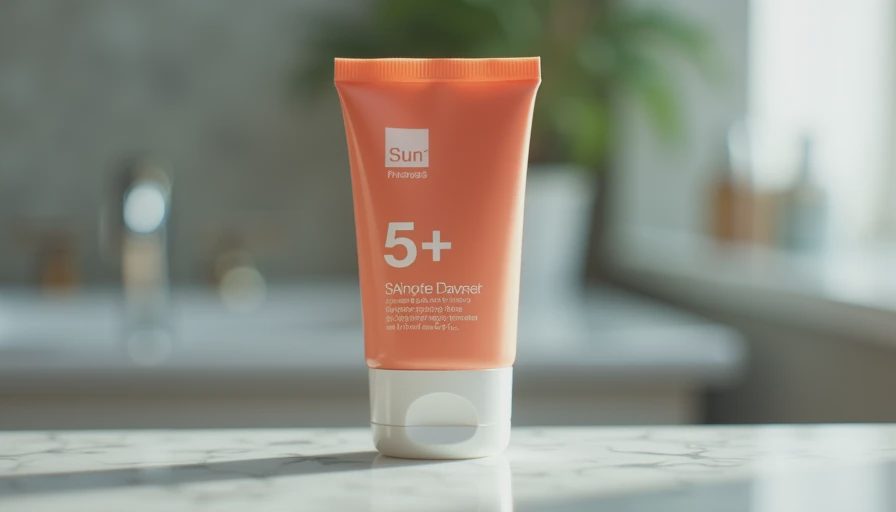
Matching korean sunscreen to the climate
Dry air changes the job. On an airplane, in a desert destination, or inside a heated hotel room, a watery sunscreen can feel comfortable for an hour and then leave the cheeks feeling tight. Use a plain moisturizer first, allow it to settle, and apply sunscreen in two thinner passes rather than one heavy layer. Round Lab and Isntree styles are often appealing in this situation because they pair sun protection with a more moisturizing feel, but oily skin may find them too dewy by midday.
Humidity creates the opposite problem. A glossy layer can slide around the nose, collect in the eyebrows, or make foundation separate. In hot weather, korean sunscreen with a gel-cream or serum texture can be easier to wear, especially when applied over a light moisturizer. Let each layer dry for a few minutes before makeup. If you are walking outdoors, bring a hat and sunglasses; sunscreen is one part of a sun-protection routine, not a substitute for shade.
Cold wind also deserves its own plan. Wind can damage the skin barrier even when the temperature feels comfortable, and sunscreen alone may not prevent flaking. Pack a small fragrance-free cream, use less cleanser at night, and avoid testing a new exfoliating acid the evening before travel. A smooth base is more useful than a complicated ten-step routine when your skin is already stressed.
A practical airport and hotel routine
The fastest reliable routine has four steps. In the morning, rinse or cleanse according to your skin needs, apply moisturizer if needed, then use enough korean sunscreen for the face and neck. Many people use the two-finger method as a rough measuring guide, but finger size varies, so treat it as a practical estimate rather than a laboratory measurement. Apply around the hairline, ears, jaw, and neck instead of stopping at the cheeks.
Give the first layer a short moment to settle before adding a second pass to areas that receive direct exposure. This can reduce pilling compared with rubbing a large amount into one spot. If makeup is part of the plan, press foundation or concealer on with a sponge or light tapping motions. Aggressive brushing can disturb the protective layer beneath.
For a carry-on, decanting is not always ideal because transferring sunscreen can affect labeling and hygiene. A small original tube is easier to identify at security and easier to replace. Pack a backup if you will be away for more than a week. A 50 milliliter tube can disappear faster than expected when you apply generously to the face, neck, hands, and exposed arms.
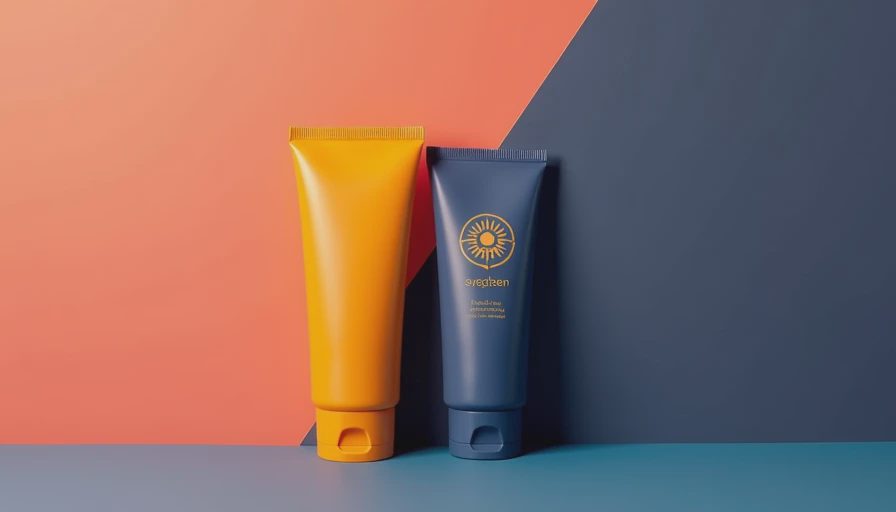
How popular formulas behave under makeup
Beauty of Joseon Relief Sun is often chosen for its creamy, comfortable finish and tends to suit normal or dry routines. It can look too shiny on an oily forehead, particularly in humid weather, so translucent powder on the T-zone may help. Isntree Hyaluronic Acid Watery Sun Gel has a fluid, moisturizing feel that works well for people who dislike a thick cream, though layered skincare underneath can increase pilling.
Round Lab Birch Juice Moisturizing Sunscreen is a common pick for a soft, hydrated finish. It may be pleasant during a cold-weather business trip but overly luminous during a summer commute. SKIN1004 Madagascar Centella Hyalu-Cica Water-Fit Sun Serum is popular with people seeking a thin, comfortable layer, but the final result still depends on moisturizer, foundation, sweat, and application volume.
Those differences are why korean sunscreen reviews should be read with conditions attached. Ask what the weather was, whether the reviewer used makeup, how long the product was worn, and whether the skin was dry, oily, acne-prone, or reactive. A glowing five-star report from a cool indoor day does not guarantee the same result at a humid outdoor conference.
Reapplication when you are actually traveling
Reapplication is easiest before the sunscreen has to perform a rescue mission. If you are outdoors for several hours, refresh exposed skin according to the activity, especially after sweating or wiping your face. A sunscreen stick is convenient over the cheeks and forehead, but it is easy to apply too little. Use repeated passes and do not treat a quick swipe as equivalent to a full original application.
Over makeup, blot excess oil first with tissue or blotting paper. Then press a small amount of korean sunscreen onto the skin where practical, using clean fingers or a cushion-style applicator. This can disturb makeup, so schedule a full refresh before lunch when possible. For heavy outdoor exposure, removing makeup and applying a proper new layer is more dependable than trying to layer endlessly over foundation.
Do not forget the neck, ears, upper chest, and hands. These areas are exposed during airport walks, driving, patio meals, and sightseeing. A hat, sunglasses, long sleeves, and shade can make reapplication more realistic by reducing the amount of skin receiving direct sun.
Your reference card for the next trip
Before packing korean sunscreen, write down the actual conditions you expect: destination temperature, humidity, outdoor hours, makeup requirements, skin sensitivity, and whether you can shop after arrival. For dry cold air, pair a moisturizing sunscreen with a barrier-supporting cream. For humid heat, reduce heavy layers and allow more drying time. For a long outdoor day, prioritize water resistance when relevant and pack a separate reapplication plan.
Buy at least several days before departure so you can test the product at home. Note when it pills, whether your eyes sting, how your T-zone looks after four hours, and whether your foundation separates. If it fails, record the conditions instead of labeling the entire category a failure. Would you pack it again for the same climate? What would you change with the same time and budget? That small reference card turns a rushed purchase into useful travel knowledge.
The best korean sunscreen is not simply the newest or most viral tube. It is the one you can apply in the correct amount, tolerate every morning, and reapply when your itinerary gets difficult. Compare formulas with your climate and skin constraints in mind, then choose a routine you will actually follow from the airport to the final meeting.



No notes yet — write the first one.