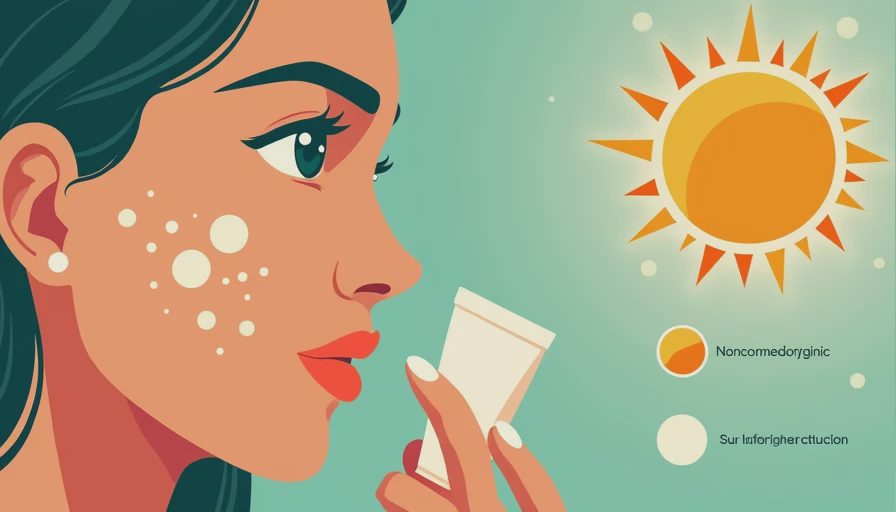
Finding the best sunscreen for acne prone skin is less about chasing a miracle label and more about surviving real conditions: airport air, humid sidewalks, a long conference day, or makeup applied over a rushed morning routine. The right product should provide broad-spectrum SPF 30 or higher, feel comfortable enough for daily use, and avoid turning your face into a slick layer by lunchtime.
What acne-prone skin actually needs from sunscreen
Start with the basics. Look for a broad-spectrum sunscreen, which protects against both UVA and UVB rays, with SPF 30 or higher. Water resistance is useful for beach days, hiking, and heavy sweating, but it does not mean the product lasts all day. Reapplication is still necessary after swimming, towel drying, or extended outdoor exposure.
For daily facial use, texture matters as much as the SPF number. Lightweight fluids, gels, and gel creams often work better than thick body lotions for oily or blemish-prone skin. Ingredients such as zinc oxide can be helpful for sensitive users, while modern chemical filters often create thinner, less chalky formulas. Neither category automatically works for everyone, so patch testing is sensible when your skin is reactive.
The best sunscreen for acne prone skin should also fit the rest of your routine. If you use a retinoid, exfoliating acid, or benzoyl peroxide, your skin may be more vulnerable to irritation and sun sensitivity. Apply moisturizer first if you need it, then sunscreen as the final skincare step before makeup. Give the sunscreen several minutes to settle before adding foundation or concealer.
Drugstore formulas worth checking first
When luggage is missing and the nearest option is a CVS, Walgreens, or Target, availability matters. La Roche-Posay Anthelios Clear Skin Dry Touch SPF 60 is a familiar choice for people who dislike a glossy finish. It can feel more powdery than moisturizing, so very dry or flaky skin may need a comfortable moisturizer underneath.
Neutrogena Clear Face Oil-Free SPF 50 is another practical drugstore option. Its lighter finish suits many combination and oily routines, although any formula can sting around the eyes for some users. CeraVe Ultra-Light Moisturizing Lotion SPF 30 is convenient when you want daytime moisture and sun protection in one step, but it may not be enough for a long outdoor day if you apply too little.
For a mineral option, look at products from EltaMD, Vanicream, or Australian Gold. EltaMD UV Clear is popular for its light feel and makeup-friendly finish, while Vanicream tends to attract shoppers who prioritize fragrance-free skincare. Australian Gold tinted mineral formulas can reduce the white cast, but the tint may not suit every complexion. The best sunscreen for acne prone skin is the one you can apply generously without dreading the texture.
How climate changes the decision
A sunscreen that behaves well in Denver can feel completely wrong in Miami. In dry, high-altitude air, a matte formula may emphasize flakes around the nose and mouth. Use a light, non-comedogenic moisturizer underneath and avoid piling on several drying products. In hot, humid weather, choose a fast-setting fluid or gel and keep blotting sheets in your bag rather than repeatedly adding powder.
For a beach trip, prioritize water resistance and pack enough product for regular reapplication. For a business trip, choose a finish that sits well under your usual base. A fluid such as Supergoop Unseen Sunscreen offers a smooth primer-like feel, though silicone-heavy textures do not suit everyone. Beauty of Joseon Relief Sun is comfortable and popular for everyday wear, but it is not the first choice for swimming because it is not marketed as a water-resistant sunscreen.
The best sunscreen for acne prone skin during winter travel may need a different strategy from your summer pick. Cold wind and airplane cabin air can leave the skin tight, making a matte product look rough. Test the sunscreen with your actual moisturizer before packing it. A ten-minute trial at home is more useful than discovering pilling beside a hotel elevator.

Preventing pilling, shine, and makeup breakdown
Most sunscreen failures happen because too many layers compete underneath makeup. Keep the morning routine simple: cleanse gently, apply any treatment that your clinician has recommended, moisturize if needed, and finish with sunscreen. Let each layer settle instead of rubbing immediately over it.
Use enough sunscreen to get the protection promised on the label. For the face and neck, many people use the two-finger method: squeeze product along the length of two fingers and apply it in sections. If that amount feels impossible because the formula is thick, switch to a lighter product rather than quietly using half the needed amount.
If shine appears by noon, press with tissue or blotting paper before touching up with powder. Adding foundation directly over fresh oil can create a patchy surface. For reapplication over makeup, a lightweight sunscreen stick or mist can be convenient, but these products are easy to under-apply. They are better viewed as a travel aid than a replacement for a careful first application.
A simple buying checklist for urgent travel
Before purchasing, read the front and back labels. Confirm broad-spectrum protection and SPF 30 or higher. Check whether the formula is water resistant if your itinerary includes a pool, beach, or strenuous outdoor activity. Fragrance-free products are often a safer starting point for easily irritated skin, although fragrance is not the only possible irritant.
Next, consider the finish. Choose matte or dry-touch for an oily T-zone, natural finish for combination skin, and a more moisturizing lotion for tight or flaky areas. If you wear makeup, look for words such as lightweight, invisible, fluid, or makeup-friendly, but treat those descriptions as clues rather than guarantees.
Finally, buy the smallest practical size if you have never used the product. A $12 to $20 trial is cheaper than carrying a full bottle that makes you break out or causes foundation to separate. The best sunscreen for acne prone skin is a repeatable choice, not an impressive product that only works during one perfect-weather weekend.
When to stop experimenting
A new sunscreen can cause trouble through irritation, clogged pores, or a reaction to another product layered underneath. Introduce one new item at a time when possible, and test it on a small area before a major trip. If you develop painful swelling, intense burning, widespread rash, or persistent worsening acne, stop using the product and seek professional medical advice.
Remember that sunscreen is only one part of sun protection. A hat, sunglasses, shade, and timing outdoor activities away from the strongest midday sun can reduce exposure without adding another product to your face. For everyday commuting, a comfortable SPF 30 may be easier to use consistently than a heavier SPF 70 that stays unopened in your bathroom.
My travel rule is straightforward: choose the best sunscreen for acne prone skin based on climate, finish, ingredients you already tolerate, and whether you will honestly reapply it. Pack a small backup, test the combination with your makeup, and record what happened. That turns a rushed drugstore purchase into a useful reference for the next flight.

No notes yet — write the first one.