When your checked bag disappears and the only open store is a drugstore near the airport, mineral sunscreen for face needs to do more than sit nicely on a bathroom shelf. It needs to protect exposed skin, layer under makeup, survive a climate change, and avoid turning a rushed morning into a white, pilled mess. I look at sunscreen the way I look at any travel product: what were the conditions, when did it fail, and would I pack it again?
What to look for before you buy
A useful mineral sunscreen for face uses zinc oxide, titanium dioxide, or both as its active sunscreen ingredients. Look for broad-spectrum coverage and at least SPF 30 for everyday outdoor exposure. Broad-spectrum means the product is designed to protect against both UVA and UVB radiation. Sunscreen still needs to be applied generously and reapplied after sweating, swimming, or extended outdoor time.
The label matters, but the texture matters just as much. A thick cream can be comfortable in dry winter air and frustrating under foundation in humid weather. A fluid can disappear quickly on oily skin but feel tight on a long flight. If you have reactive skin, keep the rest of your morning routine simple when testing a new formula. Adding a new cleanser, serum, primer, and sunscreen at once makes it impossible to identify the problem if your skin objects.
For a carry-on, I prefer a tube or compact bottle that closes securely and holds enough for the trip without taking over the liquids bag. A face sunscreen is not a substitute for a hat, sunglasses, shade, or protective clothing, especially during long outdoor days. It is one useful layer in the plan.

Choosing a formula for your skin and climate
For dry or easily irritated skin, a creamy mineral sunscreen for face can work better than an ultralight matte fluid. CeraVe Hydrating Mineral Sunscreen is a familiar drugstore option with a lotion-like feel, while La Roche-Posay Anthelios Mineral formulas are often chosen by travelers who want a lighter cosmetic finish. These products can still look pale on deeper skin tones, so test the shade and blend before the morning you need to look polished.
For oily skin or a hot destination, search for a thinner lotion, gel-cream, or fluid with a less emollient finish. Neutrogena Sheer Zinc is widely available at many drugstores, though its mineral cast and heavier feel can be more noticeable than the word “sheer” suggests. In a humid city, apply a thin, even layer, wait several minutes, and use less foundation over it. Too many layers are a common cause of slipping and pilling.
Tinted formulas solve two travel problems at once: they can reduce the visible cast and provide a base for quick makeup. The tint may not match your complexion perfectly, so treat it as a complexion product only if the color works. Otherwise, use it under a light layer of concealer or choose a clear-to-translucent formula that behaves better with your makeup.
Acne-prone skin needs a practical test rather than a dramatic promise. A product described as noncomedogenic can still disagree with an individual, while a richer formula may be comfortable for someone else. Try it on an ordinary day before packing it for a conference, wedding, or beach vacation.
The ten-minute airport-drugstore routine
If your luggage is missing, do not buy five complexion products before buying protection. At a CVS, Walgreens, Target, or similar store, start with a broad-spectrum mineral sunscreen for face, a gentle cleanser, and one simple makeup product if you need coverage. Read the active ingredients instead of relying only on front-label words such as clean, natural, or sensitive.
At the hotel, cleanse gently and apply moisturizer only where your skin feels dry. Use enough sunscreen for the face and neck, applying it in sections rather than rubbing a tiny amount across the entire area. Give it time to set before adding concealer, blush, or powder. A damp sponge can disturb the sunscreen layer, so clean fingers or a soft brush may be easier when speed matters.
Do a short wear test before leaving. Check around the nose, eyebrows, hairline, and corners of the mouth after 20 to 30 minutes. Those areas reveal pilling, separation, and missed spots quickly. If the sunscreen is visibly rolling into flakes, stop adding makeup. A thinner layer of moisturizer underneath or a longer setting time often helps more than another primer.
How it behaves on flights, beaches, and cold trips
Airplane cabins often feel dry, and recycled air can make a matte mineral sunscreen feel restrictive. Before boarding, use a modest amount of moisturizer, let it settle, then apply your sunscreen. Avoid repeatedly misting the face with a fragranced spray if your skin is already reactive. During a sunny layover, reapply rather than assuming your morning application lasted all day.
At the beach or on a hiking trip, mineral sunscreen for face must be reapplied according to the product directions and after swimming or heavy sweating. Bring a hat because no sunscreen can replace physical shade. Sweat can also make even a well-behaved formula migrate toward the eyes, so sunglasses and a towel are practical parts of the kit.
For a cold, windy destination, a lotion formula may be more comfortable than a dry-touch fluid. Apply sunscreen as the final skincare step before makeup, and protect the lips separately with an SPF lip product. If your face is peeling from weather exposure, skip aggressive exfoliation and keep the routine boring until the barrier feels calmer.
A simple comparison before you pack
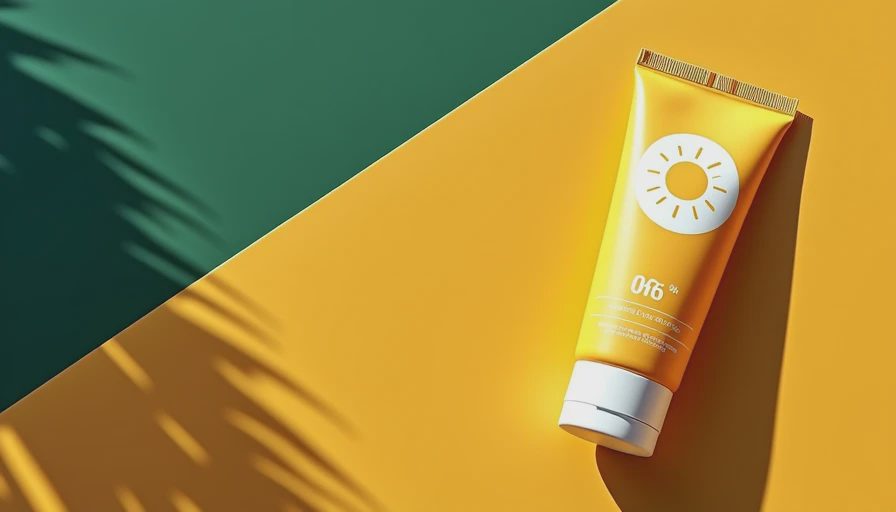
A hydrating lotion is usually the safest starting point for dry skin, but it can shine under makeup. A fluid is convenient for oily skin and compact packing, although it can emphasize flaky patches. A tinted product can reduce cast and shorten the makeup routine, but the shade may be limiting. A stick is useful for targeted touch-ups, yet it is easy to under-apply when you swipe quickly across the face. Keep the primary application in a lotion or fluid and use a stick as a travel backup only if you know how it wears.
Price is not a reliable predictor of success. A $14 drugstore tube that blends well with your foundation is more useful than a $40 formula that pills after an hour. Brand availability also matters. If you are flying early, choose a product you can replace near home rather than one sold only through a specialty retailer.
Pack a reference card, not a miracle product
Before a trip, write down the formula, finish, climate, makeup worn over it, and time it lasted before looking shiny or patchy. That small record turns a rushed purchase into useful information for the next journey. Note whether it stung, left a cast, caused pilling, or transferred onto a collar. These details are more valuable than calling a product a holy grail without conditions.
The best mineral sunscreen for face is the one you will apply in a sufficient amount, tolerate comfortably, and reapply when the day demands it. Pack a known option when the meeting matters, test new products before departure, and keep your routine short when your skin is under pressure. If you are comparing formulas now, choose broad-spectrum SPF 30 or higher, match the texture to the climate, and start with a small drugstore purchase rather than an expensive blind buy.

No notes yet — write the first one.