The best makeup brushes are not automatically the most expensive set in a velvet case. They are the tools that still apply foundation evenly after a red-eye flight, blend concealer in a dim hotel bathroom, and survive being squeezed into a carry-on. For frequent travelers, the right brush depends on your skin, climate, product formulas, time limit, and tolerance for carrying extra items.
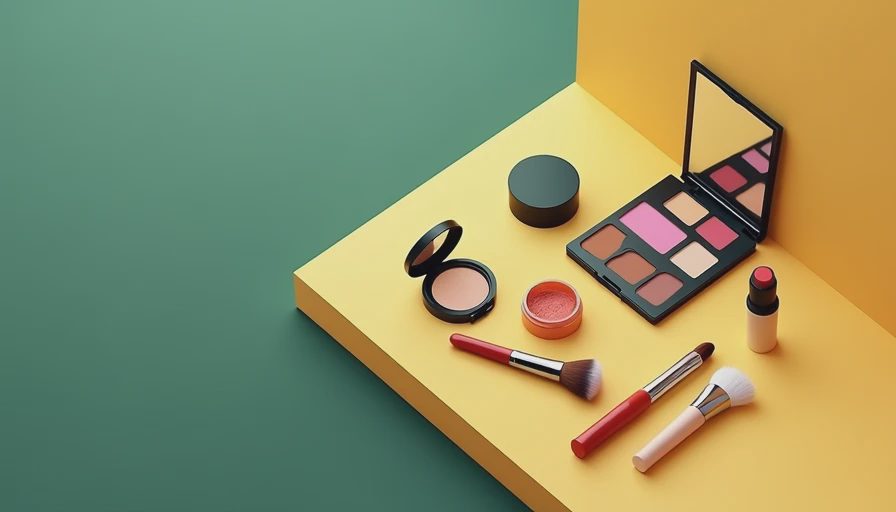
A realistic travel kit usually needs three or four tools rather than a dozen specialized shapes. A dense complexion brush, a small concealer brush, a soft angled cheek brush, and one eyeshadow blending brush can cover a complete workday face. If your skin is reactive or very dry, clean fibers and gentle pressure matter more than a dramatic claim about airbrushing.
What to look for before buying
Start with the product formulas you actually use. Liquid foundation generally works well with a flat-top or rounded synthetic brush, while cream blush can be placed with a small stippling brush or softly angled face brush. Powder bronzer needs enough surface area to diffuse color without leaving a stripe. Buying the best makeup brushes for a product you never pack is an easy way to waste $30 or more.
Synthetic bristles are usually the practical choice for travel. Nylon and other manufactured fibers do not absorb as much liquid product as natural hair, rinse more predictably, and are often easier to use for people avoiding animal-derived materials. Look for bristles that feel flexible at the tips but do not splay when pressed against your hand. A handle with a secure ferrule is important because loose glue or a rattling metal collar often becomes a failure after repeated packing.
Price is not a perfect quality test. A $10 e.l.f. brush can be more useful on a rushed morning than a $45 specialty tool that requires careful technique. Real Techniques offers accessible face and eye options, while brands such as Sigma, Sephora Collection, and EcoTools cover a wider range of shapes and prices. Read the return policy and inspect the brush in person when you can.

The small kit for a ten-minute face
When your luggage is missing and the nearest store is a CVS, Walgreens, Target, or similar retailer, choose tools by task. One medium rounded foundation brush can spread tinted moisturizer or liquid foundation. A small synthetic concealer brush can reach around the nose and soften a blemish without dragging the surrounding skin. A medium fluffy brush handles powder, bronzer, and blush if you use a light hand.
The best makeup brushes for this situation should be forgiving. Avoid an extremely dense brush if you tend to apply too much base, because it can make a rushed layer look heavy before you have time to correct it. A slightly flexible face brush gives you more control with drugstore formulas that vary in thickness. For eyes, a single tapered blending brush can soften the edge of a neutral shadow and blend a little bronzer through the crease.
If you have only three products, use a cream complexion product, a cream cheek color, and mascara. Apply the complexion product in thin sections, tap cream color onto the cheeks with clean fingers, then use the brush to diffuse the edges. This reduces the number of tools that need washing and leaves a practical margin for a ten-minute schedule.
Choosing brushes for dry, oily, or reactive skin
Very dry skin often looks worse when a brush drags over flaky areas. Use a damp sponge or a soft, flexible synthetic complexion brush, and apply moisturizer before makeup has fully dried down. Press and roll instead of scrubbing. A dense, stiff brush can lift surface dryness and leave visible patches, especially in cold hotel air or on a long flight.
Oily skin usually benefits from controlled layers rather than aggressive buffing. Use a medium-density brush to apply foundation, then a clean fluffy brush for a small amount of powder around the nose, forehead, and chin. Washing a brush after several heavy makeup days matters more than buying another tool. Product buildup can change the way bristles move and can make fresh makeup look uneven.
For reactive or acne-prone skin, choose smooth synthetic fibers, avoid sharing brushes, and wash face tools regularly with a gentle cleanser or brush shampoo. A new brush can contain manufacturing residue, so rinse it before its first use. Makeup brushes do not treat acne or irritation, and persistent redness or discomfort deserves advice from a qualified medical professional rather than another beauty purchase.
Climate changes the answer
Humidity can make cream products stay tacky, so a less absorbent synthetic brush and a light setting-powder brush are useful. Do not press powder heavily over the entire face; concentrate it where makeup moves. In a dry climate, a soft brush and thinner layers help preserve a natural finish. In cold weather, warm a small amount of cream product between your fingers before using the brush so it spreads instead of skipping.
Heat also changes your cleaning routine. Never seal a damp brush in a closed pouch after washing it in a hotel sink. Blot it with a clean towel, reshape the fibers, and let it dry in an open area away from direct heat. A breathable brush roll is more practical than a deep zippered case if you expect to wash tools during a trip.
How to test a brush before a trip
Test new best makeup brushes at home for at least two full makeup applications. Use the foundation, blush, and powder you intend to pack, then check the result in daylight. Notice whether the brush leaves streaks, sheds, irritates your skin, or takes longer than using your fingers. Also test cleanup: a brush that needs an hour of careful washing is a poor match for a one-night business trip.
Pack one backup tool only when it solves a likely problem. A second complexion brush makes sense if you use liquid foundation and cannot wash the first one. A spare eye brush is less important if your makeup plan uses one neutral shade. Place brushes in a washable pouch, keep them separate from shoes and hair products, and avoid packing them while damp.
A practical buying decision
The best makeup brushes for most travelers are a small synthetic set with clearly different sizes, not a collection of near-identical eye brushes. Spend first on the face brush you use every day, then add a concealer brush if finger application is frustrating. A reasonable starter budget is $20 to $60, with higher prices justified only when the shape, comfort, and construction solve a specific problem.
Before checkout, ask what were the conditions in your real routine: hot and humid, cold and dry, or simply rushed? When exactly did your current tool fail? Would you pack it again after washing it twice and using it with your actual products? Those questions produce a more useful kit than a viral ranking. Choose tools that make tomorrow morning easier, clean them before departure, and leave room in the bag for the products that matter more than the brush count.


No notes yet — write the first one.