Castor oil and eyebrows growth is the kind of beauty question that appears when a brow looks sparse before a work trip, a photo, or a morning meeting. The appeal is obvious: one inexpensive bottle, no complicated routine, and a product that fits in a carry-on. The less exciting truth is that castor oil can condition brow hairs and reduce the dry, brittle feeling around them, but it has not been proven to create new follicles or guarantee faster growth. Treat it as a conditioning step, not a miracle treatment.
That distinction matters when you have ten minutes at a drugstore, reactive skin, or a humid destination waiting outside the airport. The best routine is simple, controlled, and easy to stop if your skin objects.
What castor oil can realistically do
Castor oil is a thick plant oil rich in ricinoleic acid. On eyebrow hairs, it can create a smooth coating that makes them look darker, glossier, and more defined. It can also help reduce the rough sensation that comes from dry skin or frequent cleansing. Those visual changes are sometimes mistaken for new growth.
Hair growth happens in the follicle beneath the skin, and castor oil does not have established evidence showing that it activates dormant brow follicles. If overplucking, irritation, a skin condition, or a medication is behind sudden thinning, oil alone is unlikely to solve the cause. A new routine also cannot restore a scarred follicle.
For a fair test, take a close photo in the same light before starting. Compare again after several weeks rather than inspecting the mirror every morning. You may notice less flaking, better shine, or fewer broken-looking hairs before seeing any change in fullness. If brows thin rapidly or patches appear without explanation, a dermatologist is a better next step than adding more oil.
Choosing a bottle and testing it first
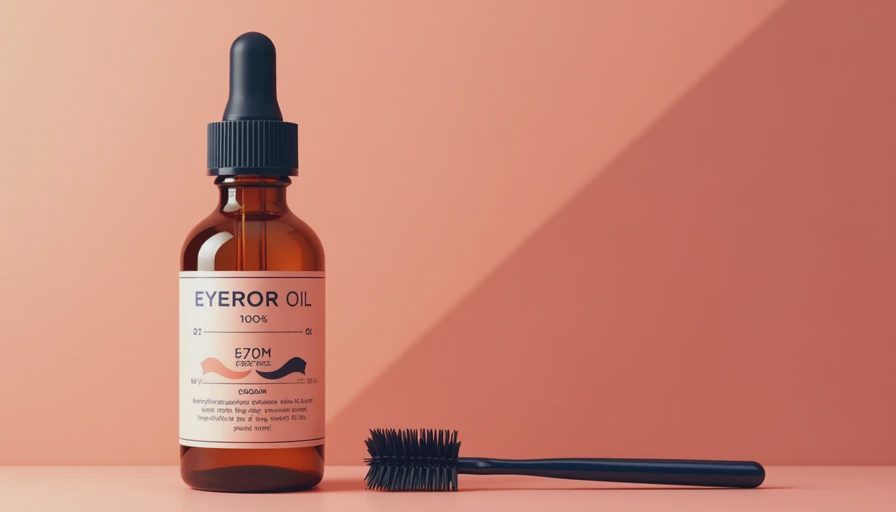
The product does not need to be expensive. Look for plain, cosmetic-grade castor oil in a sealed bottle with a short ingredient list. A small bottle from a reputable pharmacy, Target, or beauty retailer is more practical for travel than a large multipurpose container. Avoid products blended with fragrance, essential oils, menthol, or strong botanical extracts when the oil will be used near the eyes.
Patch testing is not optional for sensitive or reactive skin. Place a tiny amount behind the ear or on the inner forearm, then leave it alone for a day. Redness, itching, swelling, burning, or a rash means the product is not a good fit. A clean patch test does not guarantee that your eyelids will tolerate it, because that skin is thinner and more easily irritated.
Check the cap before packing. An oily leak can ruin a makeup pouch, shirt collar, or passport wallet. Put the bottle in a sealed plastic bag and carry a cotton swab rather than a full spoolie if space is tight.
A low-mess application routine
Start with a clean face and completely dry brows. Makeup, sunscreen, and sweat can mix with oil and make the area feel heavy. Wash your hands, then use a clean disposable spoolie or cotton swab to pick up the smallest possible amount. The tool should look lightly coated, not wet.
Brush through the brow in the direction of hair growth, concentrating on the hairs rather than rubbing the skin. Do not paint oil directly along the lash line, into the eye, or over an irritated cut. If the product gets in your eye, rinse with clean water. Stop using it if stinging or blurred vision continues.
Nighttime application is convenient because you are less likely to touch your face, but it is not automatically better. A pillowcase can collect oil, and side sleepers may transfer it toward the eyes. For a first attempt, use it several hours before bed and observe how your skin reacts. One application a day is enough; applying more does not make follicles work faster.
Castor oil and eyebrows growth in heat, cold, and humidity
Climate changes the experience. In a hot, humid city, thick oil can feel sticky, attract loose powder, and make brow makeup slide. Use half the amount you would use at home, and apply it after cleansing rather than over sunscreen. Let it settle before adding pencil or tinted gel. If the brow remains shiny after ten minutes, you used too much.
Cold, dry air creates a different problem. Wind and hotel heating can leave the skin around the brows tight or flaky. A tiny amount may make the hairs more comfortable, but do not use it as a substitute for a facial moisturizer on cracked skin. In very dry conditions, apply a bland moisturizer first, allow it to absorb, and reserve castor oil for the hairs.
For a short business trip, do not begin the routine on the night before a presentation. Start at home, when you can identify a reaction without rushing to an airport pharmacy. Travel is a poor time to test several new products at once.

How to combine it with brow makeup
Castor oil and eyebrows growth routines work best when they do not compete with makeup. If you use a pencil, gel, or powder, let the oil absorb first and blot excess shine with a clean tissue. Otherwise, pigment can become patchy or slide away by lunchtime. A clear brow gel may provide a cleaner daytime finish, while oil is more suitable for a controlled evening routine.
Avoid layering oil beneath waterproof formulas unless you have tested the combination. Waterproof products often depend on a dry surface for even adhesion. For a ten-minute drugstore solution, choose one treatment product and one makeup product rather than building a five-step brow system.
Wash the spoolie after each use or use disposable applicators. Do not share the bottle or dip a used wand directly into it. Bacteria introduced near the eyes are an unnecessary risk, especially when traveling between hotels, planes, and crowded public spaces.
A realistic timeline and a useful decision
Castor oil and eyebrows growth should be evaluated over several weeks, not overnight. Brow hairs naturally move through growth and resting phases, so a routine cannot provide instant density. Photograph both brows from the same angle every seven days, and record the conditions: climate, cleanser, makeup, application amount, and whether itching or flakes appeared.
If the hairs look conditioned and your skin stays calm, you can keep the routine simple. If nothing changes after consistent use, stop expecting the oil to act like a growth medication. If you develop redness, swelling, persistent scaling, or noticeable hair loss, discontinue it and seek professional advice. A dermatologist can examine the skin and discuss evidence-based options when appropriate.
The practical takeaway is straightforward: castor oil may improve the appearance and feel of existing eyebrow hairs, but it is not a guaranteed growth treatment. Patch test, use a nearly invisible amount, protect the eye area, and adapt the routine to the climate. That approach is cheaper, safer, and more useful than chasing miracle claims with a suitcase full of products.




No notes yet — write the first one.