Knowing how to remove makeup properly matters most when you are tired, traveling, and tempted to sleep in foundation. A rushed wipe can leave sunscreen, pigment, oil, and waterproof mascara behind, while aggressive scrubbing can make sensitive or dry skin feel tight by morning. The workable routine is not a ten-step ritual. It is a short process that dissolves makeup before you cleanse, uses lukewarm water, and gives your skin a calm finish.
Start with the right removal setup
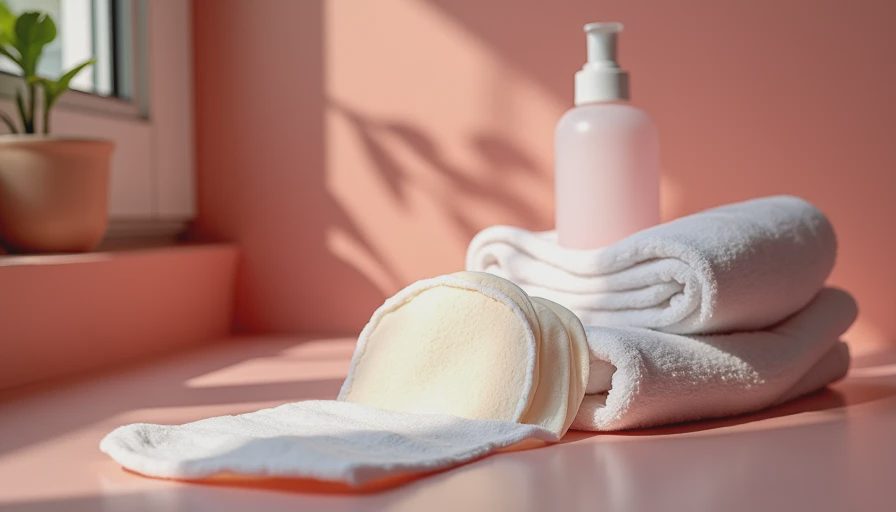
Before touching your face, wash your hands. This is especially useful after a flight, train ride, conference, or hot commute when your hands have collected sweat and residue from shared surfaces. Tie back your hair and remove contact lenses if you wear them. Keep a clean washcloth, cotton pads, or soft reusable rounds nearby so you are not searching through a hotel bathroom halfway through the process.
Product choice depends on the makeup and your skin. Micellar water can be convenient for a carry-on, but it still needs to be rinsed or followed with a cleanser if it leaves a film. Cleansing balm or cleansing oil is usually more efficient for long-wear foundation, liquid lipstick, and water-resistant sunscreen. A fragrance-free cream cleanser is a sensible backup for reactive or very dry skin. Oily or acne-prone skin does not need harsh alcohol or abrasive beads; those can leave the surface irritated and uncomfortable.
If you have only three products in a travel bag, pack a gentle cleansing balm, a mild water-based cleanser, and a plain moisturizer. That combination handles most daily makeup without requiring a separate product for every feature.
The step-by-step method
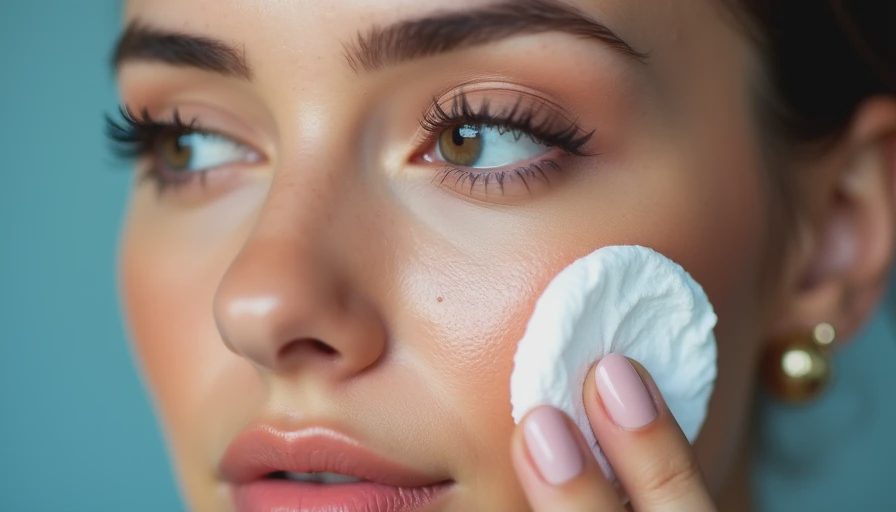
The first step in how to remove makeup properly is to dissolve, not drag. Apply cleansing balm or oil to dry skin with dry hands. Massage it over the forehead, cheeks, nose, and chin for about 30 seconds. Use small, light circles around the hairline and jaw, where foundation often collects. For eye makeup, press a saturated cotton pad over the closed eyelid for 10 to 15 seconds. Then sweep downward and outward. Do not rub back and forth across the lash line.
Add a little lukewarm water to emulsify the balm or oil. The texture should turn milky, making it easier to rinse away. If you are using micellar water, hold the pad in place before wiping; one slow pass is gentler than six quick swipes. Use a fresh section of the pad for each eye and another for the lips. Waterproof mascara might require a dedicated eye makeup remover, especially if you wear contact lenses or have easily irritated eyelids.
Rinse thoroughly, then use a gentle cleanser. Massage it for roughly 30 seconds and rinse again. Pat with a clean towel instead of rubbing. If your face feels squeaky, hot, or tight, the cleanser or water temperature is probably too aggressive for that night.
Adjust the routine for climate and skin type
Climate changes what remains on your face. In humid weather, sweat and sunscreen can make a second cleanse useful, particularly around the nose, hairline, and neck. In a dry hotel room or cold destination, repeated washing can worsen tightness. Use enough cleansing product to create slip, avoid hot water, and apply moisturizer while the skin is still slightly damp.
For oily skin, focus on complete removal rather than trying to strip every trace of oil. A lightweight gel cleanser after an oil cleanser can work well, but adding a scrub is rarely the answer. For acne-prone skin, look for non-comedogenic moisturizers and avoid picking at small bumps exposed after makeup removal. For sensitive or reactive skin, choose fragrance-free formulas and test a new remover on a small area before using it after a long day.
Very dry skin often does better with a balm followed by a creamy cleanser, or with one thorough cleansing step if little makeup was worn. If you used heavy stage makeup, glitter, or body makeup, remove it in sections and change pads often. Glitter should be lifted away carefully rather than pushed across the eyelid.
Common mistakes that cause next-morning problems
One mistake is starting with a dry tissue or makeup wipe and treating it as the entire routine. Wipes are useful during an airport connection or emergency, but they can leave behind pigment and cleansing agents. If a wipe is your only option, follow it with water or cleanser as soon as you can. Another mistake is using shampoo, hand soap, or hotel body wash on the face. These products may be designed for a different skin barrier and can sting around the eyes.
People also underestimate the hairline and neck. Foundation transferred to a pillow can come from those areas even when the center of the face looks clean. Check the corners of the nose, under the lower lip, along the jaw, and between the brows. Avoid repeatedly cleaning until a cotton pad is perfectly white; mild discoloration is less concerning than redness caused by friction.
Sleeping in makeup is not a moral failure, but it is a poor plan when you can avoid it. If exhaustion wins, remove at least eye makeup, lipstick, and the heaviest base before bed. Finish the full routine in the morning, then use a clean pillowcase if possible.
A five-minute travel version
When a meeting is scheduled for 8 a.m. and you arrive at the hotel at 11 p.m., how to remove makeup properly needs to be practical. Minute one: wash hands, remove contacts, and take out hair pins. Minute two: apply balm or oil and loosen foundation, blush, and sunscreen. Minute three: hold remover over the eyes and lips, then wipe gently. Minute four: rinse and cleanse. Minute five: pat dry and apply moisturizer.
If you bought supplies at a drugstore, prioritize a fragrance-free cleanser, cotton pads, and a basic moisturizer over a scented mask or complicated serum. CeraVe, Vanicream, La Roche-Posay, and Cetaphil all offer widely available gentle cleanser options, but the label and your past tolerance matter more than a trendy name. Keep products in a leakproof bag and place a small towel under them in a hotel bathroom.
How to tell whether the routine is working
The goal of how to remove makeup properly is clean, comfortable skin, not a painfully matte face. In the morning, check whether mascara remains at the lash roots, whether foundation is visible around the nose, and whether your skin feels tight or unusually greasy. Persistent burning, swelling, cracking, or a rash deserves attention from a qualified medical professional rather than another cleanser.
Track the conditions when a routine fails: hot and humid airport, freezing dry destination, full-coverage foundation, waterproof eye makeup, or a new product. That detail helps you change one variable instead of abandoning everything. If balm leaves residue, use less or emulsify longer. If cleanser stings, stop and return to a simpler fragrance-free option. If makeup remains after one pass, add time and product before adding pressure.
Pack the routine you have already tested at home. A reliable five-minute system is more useful on the road than a pouch full of untested minis, and your skin will be better prepared for the next morning.





No notes yet — write the first one.