Fair skin sun protection gets complicated when you have a flight to catch, a carry-on limit, and a business meeting waiting in a hotter climate. The goal is not to build a twelve-step routine. It is to pack a few products that protect exposed skin, sit well under makeup, and remain usable after a sweaty walk from the airport.
For most travelers, start with a broad-spectrum sunscreen labeled SPF 30 or higher. Broad-spectrum coverage protects against both UVA and UVB radiation. Apply it to the face, ears, neck, and any exposed chest area every morning, then reapply when you are outdoors for an extended period. A hat, sunglasses, shade, and long sleeves are practical parts of fair skin sun protection, not signs that your sunscreen failed.
Build a carry-on routine that will actually happen
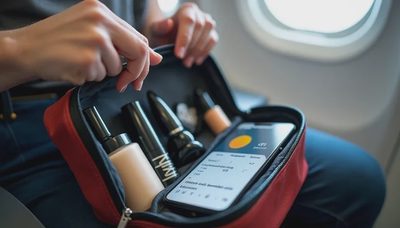
The best fair skin sun protection plan is short enough to use in an airport bathroom. Pack a gentle cleanser, moisturizer if your skin needs one, facial sunscreen, lip balm with SPF, and a makeup product with a separate sun-protection claim only as a backup. Foundation or tinted moisturizer is not a substitute for a properly applied sunscreen layer because most people do not use enough complexion product to reach its labeled SPF.
Choose a sunscreen texture based on your destination. A lightweight fluid from brands such as La Roche-Posay, Eucerin, or Neutrogena can feel easier in humid weather, while a creamier formula may be more comfortable during a dry winter trip. If your skin reacts easily, avoid testing a new active formula on the morning of departure. A small patch test several days ahead gives you time to identify stinging, redness, or clogged pores before the trip.
Your application order can be simple: cleanse, apply moisturizer if needed, wait briefly, then spread sunscreen over the face and neck. Give it a few minutes to settle before primer or makeup. Rubbing too aggressively can create pilling, especially when a silicone-rich primer sits over a sunscreen containing film-forming ingredients.

What changes in heat, humidity, and dry air
Climate determines whether a product feels dependable. In humid destinations, heavy layers can become shiny and uncomfortable by lunchtime. Use a thin moisturizer, let it settle, and choose a sunscreen described as oil-free, lightweight, or gel-cream if those textures suit your skin. Blotting papers are usually more useful than adding powder repeatedly, which can make sunscreen and base makeup look thick.
In dry, cold air, fair skin sun protection still matters even when the temperature feels mild. Wind and indoor heating can leave the surface tight, so apply a fragrance-free moisturizer before sunscreen. Look for ingredients such as glycerin, ceramides, or squalane if your skin already tolerates them. Avoid turning the routine into a layer stack that pills under makeup; one comfortable moisturizer is better than three products that you will skip.
At high altitude, on a beach, or during a long outdoor day, use physical protection more deliberately. A wide-brimmed hat, UV-blocking sunglasses, and a lightweight long-sleeve shirt reduce the amount of skin relying on sunscreen alone. Water, sweat, towels, and frequent face touching can remove product, so plan for a real reapplication rather than assuming the morning layer lasts all day.
Makeup-friendly fair skin sun protection
Sunscreen pilling is one of the most common travel failures. It often happens because too much product is applied at once, the layers underneath are not settled, or the sunscreen formula does not cooperate with the primer. Try applying sunscreen in two thin passes, allowing each pass to spread evenly. Press makeup on with a damp sponge or clean fingers instead of dragging it across the surface.
If you need coverage for redness or uneven tone, use a small amount of concealer after sunscreen rather than a heavy full-face foundation. A tinted sunscreen can simplify packing, but check the shade in daylight before traveling. Very pale products can leave a visible cast, while tinted formulas may not match once you are under warm hotel lighting. Keep a compact powder for shine, but do not treat it as a reliable replacement for sunscreen reapplication.
For lips, pack an SPF lip balm and use it throughout the day. The lips are easy to forget during a rushed morning, particularly when you are focused on foundation and eye makeup. A stick sunscreen can be convenient for small exposed areas such as the nose and cheekbones, but use it according to its label and do not rely on a quick swipe as your only full-face application.
Reapplication without starting your face over
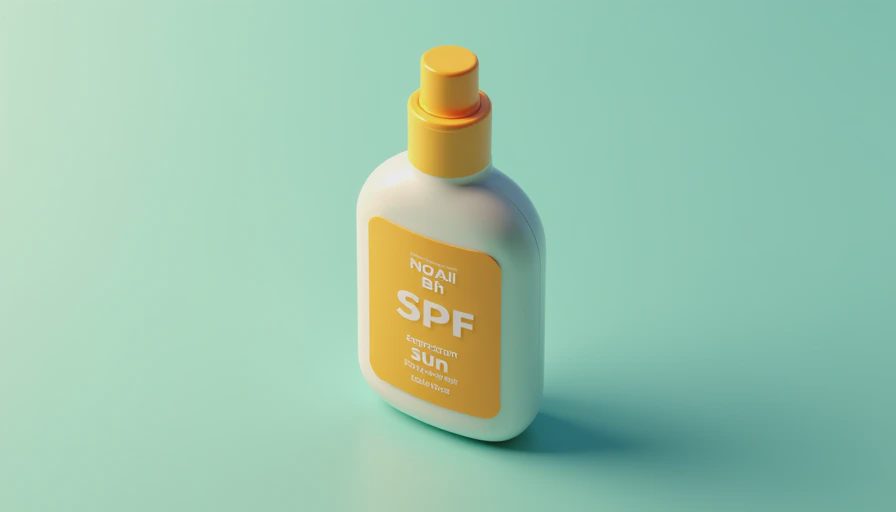
Reapplying fair skin sun protection over makeup requires a little planning. If you are outside for hours, first blot excess oil and sweat with a tissue or blotting sheet. Then use a sunscreen mist or compact product only if its label gives clear application directions and you can apply enough coverage. Many sprays are easy to under-apply, so they are better for refreshing exposed areas than for replacing a careful morning layer.
For dependable coverage, reapply with a lotion during a midday bathroom break. Press a small amount over the skin rather than vigorously rubbing. It can disturb makeup, but a little patchiness is easier to fix with concealer than a missed sunscreen layer. Reapply after swimming, heavy sweating, or towel drying, even if the product claims water resistance. Water-resistant sunscreen is not waterproof and still needs repeated application.
Keep one product in your day bag and another with your toiletries. This prevents the familiar hotel-room problem of leaving sunscreen beside the sink while spending the afternoon outside. If you drive, remember the hands, forearms, and side of the face nearest the window. Clothing and shade help, but they do not cover every exposed area during a long road trip.
A practical shopping plan at a drugstore
If lost luggage leaves you shopping at CVS, Walgreens, Target, or a similar store, look first for broad-spectrum SPF 30 or higher, a size you can carry legally, and a texture you will tolerate. Do not spend twenty minutes comparing decorative packaging while ignoring whether the product stings your eyes or leaves your skin painfully tight.
A useful emergency basket includes facial sunscreen, body sunscreen, SPF lip balm, a gentle cleanser, moisturizer, and a hat if you forgot one. For acne-prone skin, search for noncomedogenic labeling, while sensitive skin often does better with fragrance-free options. Mineral formulas containing zinc oxide can be worth trying when chemical sunscreen causes discomfort, but any new product can irritate individual skin.
The reference card for your next trip
Write down what happened after the trip: destination climate, skin condition, sunscreen brand and texture, application time, makeup used, and the exact moment it failed. Did it sting after sweating? Did it pill under foundation? Did your cheeks feel tight by noon? Those details are more useful than calling a product universally good or bad.
A reliable fair skin sun protection kit should leave your bag with you, fit your morning schedule, and survive the conditions you actually face. Pack the sunscreen you already know, add physical protection, and create a reapplication plan before boarding. If your current routine is uncomfortable or causes persistent irritation, ask a dermatologist or qualified clinician for individual guidance rather than forcing a product through an entire vacation.

No notes yet — write the first one.