
You land in Houston in July. You step outside, and the air is not air. It is a warm, wet blanket that settles on your skin before you reach the taxi line. Dew points push into the mid-to-upper 70s°F. Humidity sits at 71% or higher. Your oily skin, already a full-time job, now has to contend with an environment that makes sweat linger, sebum spread, and every pore feel like it is under siege.
You have one carry-on. You have limited bag space. You cannot bring your full routine. You need to know which step is most worth the real estate.
This is not a "best products for oily skin" list. This is a space-efficiency ranking for one climate, one skin type, and one constraint: every item in your bag must earn its place.
Why Houston Humidity Is a Specific Kind of Hostile
Houston's humidity is not just "hot." It is structurally different from dry heat or even from the wet heat of a coastal vacation town.
The dew point in Houston summer routinely climbs into the mid-to-upper 70s°F—sometimes 75 to 80°F across the metro and coastal areas. A dew point above 65°F means the air is holding so much moisture that sweat cannot evaporate efficiently. A dew point above 75°F means the air is essentially saturated. You are not cooling through sweat. You are just getting wet.
For oily, acne-prone skin, this creates a triple failure mode:
1. Sebum and sweat fuse into a slip layer. Oily skin produces sebum. Humidity prevents sweat from evaporating. The two combine on the skin surface, creating a film that dissolves makeup pigments and causes foundation to separate, fade, and migrate.
2. Pores become more visible and more congested. High humidity can cause pores to open, allowing dirt, oil, and sweat to accumulate more easily. For acne-prone skin, this means a higher risk of clogged pores and new breakouts.
3. Barrier disruption triggers rebound oil. Houston's year-round humidity is a skincare challenge, and the combination of heat, sweat, and frequent cleansing can compromise the skin barrier. A compromised barrier produces more oil, not less, as the skin tries to compensate for moisture loss.
The practical consequence: the routine that works in Denver or Los Angeles will fail in Houston unless every step is chosen for humidity resistance and acne compatibility.
The Space-Efficiency Ranking: What Earns Bag Space
You have limited space. Here is the ranking of what matters most, from non-negotiable to negotiable.
Rank 1: Sunscreen (Non-Negotiable, Highest Priority)
Why it earns bag space: In Houston, sunscreen is not a "nice to have." It is the foundation of acne maintenance. UV exposure darkens post-inflammatory hyperpigmentation from acne, making old breakouts look like new ones for months. A single sunburn can set back months of skin clearing.
What to look for: A fluid mineral or hybrid formula with a satin finish that plays well with sweat. In Houston, the texture matters as much as the SPF number. A heavy, greasy sunscreen will feel suffocating and may trigger more oil production. Look for non-comedogenic formulas labeled oil-free.
How to apply in Houston: Apply sunscreen as your last skincare step, before any makeup. Let it absorb for 2–3 minutes. If you are using a tinted sunscreen, it can double as your base, which saves bag space.
What not to bring: Heavy, occlusive sunscreens. Greasy mineral formulas that leave a white cast. Any sunscreen that feels like a cream.
Rank 2: Mattifying Primer (Highest Impact Per Gram)
Why it earns bag space: In humid climates, a good mattifying primer is a must for oily skin. It forms a smooth barrier between your skin and your foundation, prolonging wear and reducing shine. Without it, even the best foundation will slide off your T-zone within two hours.
What to look for: A mattifying primer that does not contain oil and has a blurring effect. Silicone-based primers with dimethicone or polyacrylamide create a grippy surface that holds foundation in place without adding moisture. Look for "oil-free" and "mattifying" on the label.
How to apply in Houston: Apply a thin layer only where you get oily—usually the T-zone and chin. Do not prime the cheeks, jawline, or perimeter of the face. Those areas do not produce enough oil to need it, and priming them can make the foundation look heavy and mask-like.
Space-efficiency note: A mini or travel-size primer takes up less space than a full-size foundation and does more to extend wear. If you can only bring one product beyond sunscreen and foundation, bring the primer.
What not to bring: Hydrating primers. Dewy primers. Any primer described as "moisturizing" or "glow-boosting." These add moisture that Houston humidity will exploit.
Rank 3: Lightweight, Long-Wear Foundation or Skin Tint (The Base That Breathes)
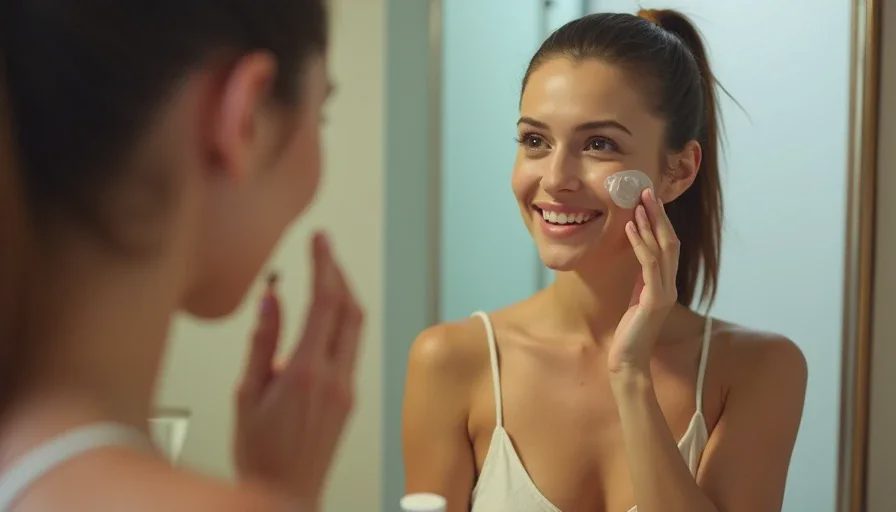
Why it earns bag space: You need a base that evens tone and covers redness without creating a film that traps sweat and oil. A heavy, full-coverage foundation in Houston humidity will separate, oxidize, and clog pores. A lightweight, breathable formula allows the skin to breathe while still providing coverage.
What to look for: An oil-free, long-wear foundation with a natural or semi-matte finish。 The formula should contain oil absorbers like silica or absorbent powders and wear boosters like film-formers and silicone elastomers that help the foundation set and resist movement.
The best drugstore options for Houston oily skin:
L'Oréal Infallible Fresh Wear: Specifically recommended for long days and humidity. It is lightweight, breathable, and resists transfer.
Maybelline Fit Me Matte + Poreless: A budget-friendly daily wear option with oil control and pore-blurring effects. It does not look flat or dry.
Wet n Wild Bare Focus Niacinamide Skin Tint: A skin tint that contains niacinamide, which helps regulate oil production over time. It is lighter than a foundation and more forgiving of a slightly imperfect shade match.
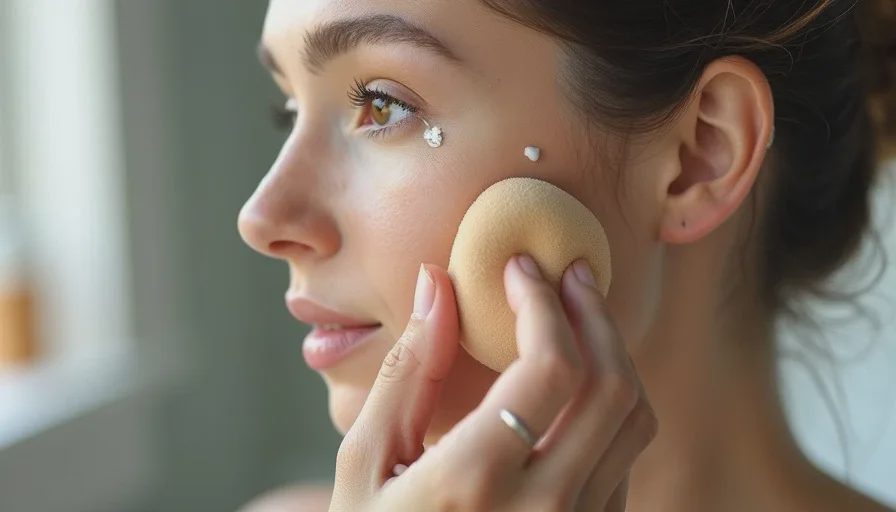
How to apply in Houston: Apply with a damp beauty sponge, pressing the product into the skin rather than buffing. Pressing creates a second-skin effect that resists humidity better than brushing. Build in thin layers—do not apply one thick layer.
What not to bring: Full-coverage matte foundations. Heavy cream foundations. Any foundation that feels thick or occlusive on the back of your hand.
Rank 4: Setting Powder for the T-Zone (Strategic, Not Full-Face)
Why it earns bag space: Powder is not optional for oily skin in Houston, but how you use it matters more than whether you bring it. A translucent setting powder locks the base in place and controls shine without adding a heavy layer.
What to look for: A translucent, finely-milled setting powder that does not add color or texture. Avoid powders with shimmer or "glow" claims—shimmer reflects light and makes oil look worse.
How to apply in Houston: Apply powder only to the T-zone—forehead, nose, and chin—and only after the foundation has set for 60 seconds. Press the powder into the skin with a puff or your finger. Do not brush it on. Pressing locks the powder into the foundation and prevents the cakey separation that happens when powder sits on top of a moving base.
Space-efficiency note: A compact powder takes up less space than a loose powder jar. If you are truly limited on space, a pressed translucent powder in a slim compact is the most efficient choice.
What not to bring: Full-coverage powders. Shimmer powders. Any powder you would need a separate brush to apply.
Rank 5: Waterproof Mascara or Brow Gel (One Eye Product, Not Two)
Why it earns bag space: In Houston humidity, everything that touches the eye area should be waterproof—mascara, eyeliner, and even brow gel. Sweat and humidity cause non-waterproof formulas to smudge, flake, and transfer within hours.
What to look for: A tubing or waterproof mascara. Tubing mascara is the most reliable choice for humid climates because it wraps each lash in a polymer tube that resists sweat and humidity without becoming brittle. It also removes with warm water and gentle pressure, which matters when you are in a hotel bathroom with limited supplies.
The space-efficiency decision: You cannot bring both mascara and brow gel. Choose one. If your brows are sparse or light, choose a waterproof brow gel or a brow pencil. If your brows are full, choose a tubing or waterproof mascara. The goal is structure and definition, not a full eye look.
What not to bring: Non-waterproof mascara. Kohl eyeliners. Cream eyeshadows that stay creamy. Any eye product that requires a brush you do not have space for.
Rank 6: Cream Blush or Multi-Use Color Stick (Cheeks and Lips in One)
Why it earns bag space: Cream and liquid blushes do not slide around like powders in humidity. They blend into the skin and dry down to a matte or satin finish that resists migration. A single cream blush or multi-use stick can serve cheeks, lips, and even eyelids in a pinch.
What to look for: A cream-to-powder formula or a matte cream blush that sets down. Avoid dewy or glossy formulas—those stay pliable in humidity and migrate. Choose a warm nude, muted rose, or dusty rose shade that flatters most skin tones.
How to apply in Houston: Tap a small amount onto the apples of your cheeks with your ring finger and blend upward. Then tap whatever remains on your finger onto your lips. Do not double-dip—that transfers bacteria and can trigger breakouts.
What not to bring: Powder blush. Glossy cream blush. Any blush that feels wet or slippery on the back of your hand.
Rank 7: Setting Spray (The Lock, Not the Luxury)
Why it earns bag space: A setting spray is the last and most important step for locking makeup in place in humidity. A good mattifying setting spray controls oil, resists perspiration, and helps the base resist humidity.
What to look for: A mattifying or oil-control setting spray that is formulated for humid conditions. Skindinavia The Makeup Finishing Spray is specifically recommended for its lightweight, breathable texture that is non-comedogenic. It lacks a strong mattifying effect on its own, but it works as an anchor for other products.
How to apply in Houston: Spray after powder, not before. Hold the bottle 8–10 inches from your face and mist in a Z-pattern. Do not spray so much that the skin looks wet. One light pass is enough. Let it dry naturally.
What not to bring: Hydrating setting sprays. Dewy setting sprays. Any spray described as "refreshing" or "moisturizing."
The Houston Oily Skin Kit: Minimum Viable Bag Space
Priority | Product | Approximate Space | Why It Earns the Space |
|---|---|---|---|
1 | Fluid mineral or hybrid sunscreen, non-comedogenic | Small tube | Prevents acne scars from darkening; doubles as base if tinted |
2 | Mattifying, oil-free primer | Mini tube | Extends foundation wear; prevents T-zone slide |
3 | Lightweight, long-wear foundation or skin tint | Small bottle or tube | Evens tone without trapping sweat; oil-free formula |
4 | Translucent pressed powder | Slim compact | Locks T-zone; controls shine without full-face cake |
5 | Tubing or waterproof mascara OR brow gel | One tube | Eye definition that survives sweat and humidity |
6 | Cream-to-powder blush or multi-use color stick | Small stick or pot | Cheeks and lips in one; does not slide like powder |
7 | Mattifying setting spray | Travel-size bottle | Locks everything in place; resists perspiration |
Total: Seven items. If you must cut further, the first four are non-negotiable. The eye product, color product, and setting spray can be approximated with what you already have, but they make the difference between "presentable" and "polished."
The Houston Application Order (5 Minutes)
Cleanse gently. Use a gel or foaming cleanser that targets excess oil without stripping. Do not use hot water.
Apply a lightweight, oil-free moisturizer. Wait 2–3 minutes for it to absorb. Over-moisturizing oily skin in humidity creates excess slip that makes foundation slide.
Apply sunscreen. Let it absorb for 2–3 minutes.
Apply mattifying primer to the T-zone only. Thin layer. Let it set for 60 seconds.
Apply foundation or skin tint. Use a damp sponge. Press, do not buff. Thin layers only.
Wait 60 seconds, then press translucent powder onto the T-zone. Do not brush. Press.
Apply cream blush to cheeks, then lips. Tap with ring finger.
Apply tubing or waterproof mascara OR brow gel. One product only.
Spray mattifying setting spray in a Z-pattern. Let dry naturally.
Total time: 5–6 minutes. The result is a base that will survive a Houston afternoon without sliding, separating, or clogging pores.
FAQ: Oily, Acne-Prone Skin in Houston Humidity
What if I can only bring three products?
Bring sunscreen, mattifying primer, and a lightweight foundation or skin tint. These three products do the most work for oily, acne-prone skin in Houston. Sunscreen prevents acne scars from darkening. Primer prevents the base from sliding. The foundation evens tone without trapping sweat. Everything else—powder, blush, eye product, setting spray—can be approximated or skipped.
What if I have acne and need coverage?
Use a non-comedogenic, oil-free foundation or skin tint. Do not use a heavy, full-coverage foundation to cover acne. Heavy foundations trap sweat and oil, which clogs pores and makes acne worse. A lightweight formula with buildable coverage allows you to spot-conceal without covering the entire face. If you need more coverage, use a non-comedogenic concealer only on the blemish, not on the surrounding skin.
What if my foundation still slides off by lunch?
Blot, do not powder. Press a blotting paper or a clean tissue against the T-zone. Pressing removes surface oil without disturbing the base. Do not wipe. Do not add powder—powder over a sliding base creates a cakey, textured layer. If the foundation has separated, tap a tiny amount of concealer over the separated area and blend the edges with your finger.
What if I have sensitive skin on top of oily and acne-prone?
Patch-test every new product on your jawline before applying it to your full face. Houston humidity can make sensitive skin more reactive. Choose fragrance-free, non-comedogenic formulas. Avoid products with alcohol, essential oils, or "cooling" ingredients like menthol. If you react to a new product, remove it immediately and apply a barrier cream.
What if I only have $25 to spend?
Buy sunscreen and a mattifying primer. These two products do the most to protect acne-prone skin and prevent makeup slide. If you have $10 left, add a lightweight skin tint or a translucent pressed powder. The goal is protection and prevention, not full coverage.
Can I skip moisturizer if my skin is oily?
No. Oily skin can still be dehydrated. A compromised barrier produces more oil, not less. Use a lightweight, oil-free, non-comedogenic moisturizer. Apply it, wait 2–3 minutes, then apply sunscreen. Skipping moisturizer will make your skin produce more oil to compensate for the moisture loss.
How do I touch up during the day?
Blot, do not powder. Press a blotting paper or a clean tissue against the T-zone. If you must use powder, use a translucent pressed powder and press it only onto the nose and forehead. Do not brush it on. Do not powder the cheeks—that is where cakey separation happens.
What if I wear glasses and my makeup smudges on the nose pads?
Apply a mattifying primer specifically on the nose bridge before foundation. Set with a small amount of translucent powder pressed onto the nose bridge. Clean your glasses lenses regularly—smudged lenses make you want to push your glasses up, which transfers makeup from your fingers to your face.
What if I have acne scars and need to cover them?
Use a non-comedogenic concealer with a green or peach color corrector underneath. Green neutralizes redness. Peach neutralizes dark spots. Apply the color corrector only on the scar, then tap concealer over it. Do not apply a heavy layer of foundation over the entire face to cover scars—that traps sweat and oil and can trigger new breakouts.
What if the hotel air conditioning is very dry?
Add a lightweight, oil-free moisturizer to your routine. Air conditioning pulls moisture from the skin. Even oily skin can become dehydrated in dry indoor air. If your skin feels tight, apply a thin layer of moisturizer before sunscreen. Do not skip sunscreen—UV exposure still affects acne-prone skin indoors near windows.
What if I forget my setting spray?
Press a tissue against the T-zone before you leave the bathroom. This removes excess surface oil without removing pigment. The base will not last as long, but blotting during the day will manage shine. If you have a hydrating facial mist, do not use it—it will add moisture that humidity will exploit.

No notes yet — write the first one.