The best face moisturizer is not automatically the richest cream in the store or the product with the most impressive packaging. It is the one that keeps your skin comfortable, supports your makeup, and survives the conditions you actually face. A moisturizer that works beautifully in a cool bedroom can feel sticky after a humid flight or leave dry patches exposed during a windy business trip.
For travel, the useful question is not simply whether a product feels pleasant for five minutes. Ask what were the conditions, when exactly did it fail, and how long did it need to wear? Skin type, climate, sunscreen, makeup, available shopping options, and the next morning’s schedule all matter.
Start with the skin problem, not the trend
If your skin feels tight after cleansing, look for a moisturizer with humectants and barrier-supporting ingredients. Glycerin, hyaluronic acid, panthenol, ceramides, and squalane are common examples. Humectants attract water, while ingredients such as ceramides and squalane help reduce the uncomfortable feeling of moisture loss. A simple cream from CeraVe, Vanicream, or La Roche-Posay can be more practical than a heavily fragranced luxury formula when your face is already irritated.
Oily skin still needs hydration. Skipping moisturizer can leave skin feeling tight while producing more surface oil later, especially under office heat or airplane air. Gel creams and lightweight lotions are often easier to wear. Neutrogena Hydro Boost, CeraVe PM, and similar fragrance-free formulas are convenient starting points, although the exact finish depends on your skin and the rest of your routine.
For acne-prone skin, choose a non-comedogenic label when possible, but treat that label as a screening tool rather than a guarantee. A product can still disagree with your skin. Introduce it before travel, not at the airport the night before a presentation. That small test is one of the most reliable parts of finding the best face moisturizer for your routine.
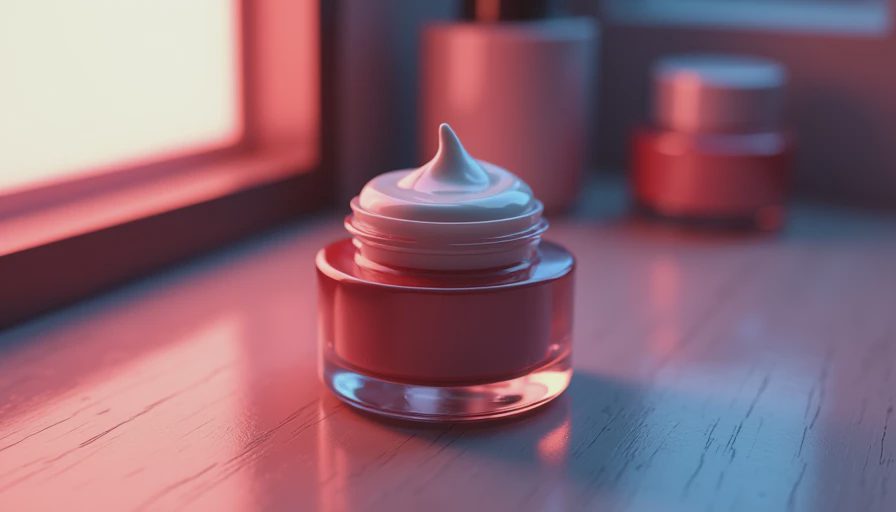
Build a climate-specific packing plan
Cold air, wind, and indoor heating create a very different challenge from a hot, humid destination. In winter, a lotion that disappears instantly may not provide enough comfort. A cream with ceramides, petrolatum, or dimethicone can help protect dry areas, especially around the nose and mouth. Apply it to slightly damp skin after cleansing, then give it several minutes before sunscreen.
In humidity, the best face moisturizer usually has a lighter texture. A thin gel cream can provide hydration without creating a slippery layer under foundation. Use less than you think you need, wait for it to settle, and avoid adding facial oil simply because your cheeks feel dry in the hotel room. Heavy layers can mix with sweat and sunscreen, causing makeup to slide by lunchtime.
Airplane cabins are another special case. The recycled, dry environment can make skin feel tight, but applying multiple rich layers immediately before boarding can leave you shiny and uncomfortable. A small amount of moisturizer followed by sunscreen is usually easier to manage. If your face feels parched during the flight, a plain moisturizer is more predictable than repeatedly misting water onto bare skin.
Four useful formulas for rushed mornings
A lightweight lotion is the safest all-purpose option for many travelers. It spreads quickly, works under sunscreen, and rarely requires a long waiting period. It is especially useful when you have ten minutes to shop at a CVS, Walgreens, Target, or a hotel-area drugstore.
A gel cream suits people who dislike residue or will be spending the day in heat. Check the ingredient list if fragrance causes problems, because some popular gel products contain scent or botanical extracts. The best face moisturizer in this category should leave skin flexible rather than wet or tacky.
A richer cream is valuable for cold-weather travel, long flights, and visibly flaky skin. Use a thin layer in the morning and a slightly more generous layer at night. If foundation separates over it, the issue may be quantity or timing rather than the formula itself.
An ointment-style balm is a targeted rescue product, not usually a full-face daytime layer. Dab it over cracked corners of the nose, lips, or dry patches after moisturizer. Keeping a tiny tube in a carry-on can be more useful than packing a large jar that you will barely use.

Test makeup compatibility before the trip
A moisturizer can feel excellent alone and still make makeup fail. The common trouble signs are pilling, patchy foundation, excess shine, and sunscreen that rolls into little flakes. To test the best face moisturizer for a meeting or event, repeat your actual morning routine at home. Cleanse, moisturize, apply sunscreen, wait about five to ten minutes, and then use the same primer and foundation you plan to pack.
Notice what happens after two hours, not only immediately after application. Walk outside if the destination will be warm, or test in a heated room if you are traveling during winter. If foundation gathers around your nose, reduce the moisturizer there and use more only on dry zones. If cheeks look scaly, apply a little more product and allow extra settling time.
Do not introduce a new exfoliating acid, retinoid, or strongly active serum at the same time as a new moisturizer before travel. If irritation appears, you will not know which product caused it. A boring routine that works is more valuable than an ambitious routine that creates a surprise the night before a client meeting.
What to buy when luggage is lost
When your checked bag disappears, prioritize a cleanser, moisturizer, sunscreen, and the makeup product that makes you feel presentable. At a drugstore, look for a sealed, fragrance-free lotion or cream rather than choosing only by the word “hydrating” on the front label. Compare textures in your hand if testers are available, but remember that a hand swatch cannot reveal how a product behaves on your face.
For very dry skin, choose a cream in a small tube. For oily or humid conditions, choose a lightweight lotion or gel. If your skin reacts easily, avoid buying several new products at once. One unfamiliar formula is easier to evaluate than a complete replacement routine.
Price does not determine performance. A $12 drugstore moisturizer can outperform a $70 cream when its texture suits your climate and makeup. Brand loyalty is also less useful than reading the label and remembering your own failure profile: fragrance irritation, pilling under sunscreen, shine after lunch, or tightness by evening.
Turn your choice into a reference card
Before packing, write down the product name, texture, climate tested, amount used, sunscreen pairing, and wear result. Record whether it failed before makeup, at lunch, or after the commute. This turns a vague impression into a reusable decision guide.
The best face moisturizer for one trip may not be the best face moisturizer for every season. A traveler who prefers a rich cream in Denver winter might want a lighter lotion for Miami humidity. That is not inconsistency; it is useful climate information.
Pack a small amount in a leakproof container, keep the full product at home, and test the travel portion before leaving. If you find a reliable formula, note where it is commonly sold and whether it works under your sunscreen. The best face moisturizer is ultimately the one you can find, tolerate, apply quickly, and trust when the weather and schedule refuse to cooperate.

No notes yet — write the first one.