A humidifier for dry skin can be useful when hotel heating, winter air, airplane travel, or aggressive air conditioning leaves your face tight before an important morning. It will not replace moisturizer or treat eczema, but adding moisture to a dry room can make a basic skin routine feel more comfortable. The practical question is not whether the biggest machine is best. It is whether the unit fits your room, schedule, cleaning habits, and travel constraints.
What a humidifier can and cannot do
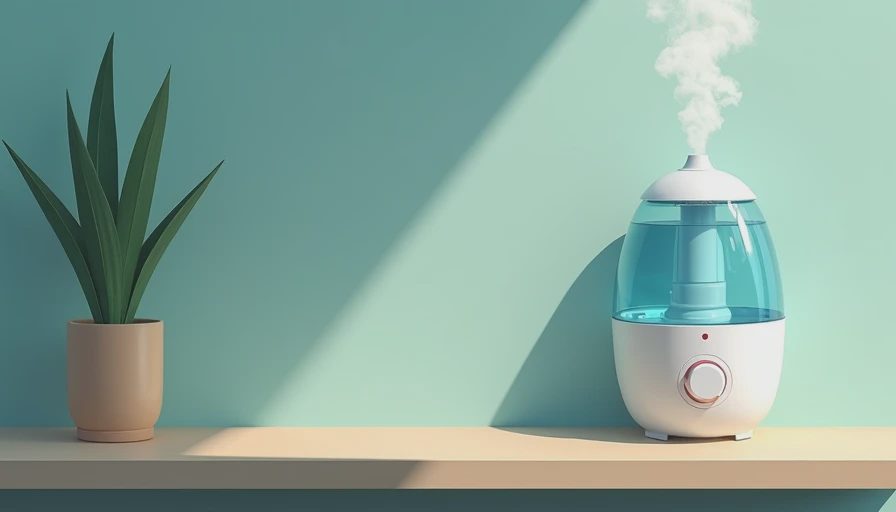
Dry air increases water loss from the skin’s surface, so a room with more balanced humidity may reduce the tight, papery feeling that appears after cleansing. A humidifier for dry skin works by releasing water vapor or a fine mist into the air. Your face does not absorb the mist like a serum, and running a machine directly beside your pillow is not a shortcut to hydrated skin. The benefit is environmental: less dry air surrounding your skin while you sleep, work, or apply makeup.
This distinction matters for people with sensitive or acne-prone skin. A humidifier will not clear breakouts, erase fine lines, or cure a medical skin condition. If your skin is cracked, painful, persistently red, or unusually itchy, simplify your products and consider professional medical advice. For ordinary winter dryness, however, a clean machine paired with a fragrance-free moisturizer can be a sensible part of the routine.
A useful starting range for many bedrooms is roughly 40% to 50% relative humidity. A small digital hygrometer, often available for $10 to $20, removes the guesswork. If the windows feel wet, the room smells musty, or bedding feels damp, turn the machine down or stop using it. More humidity is not automatically better.

Choosing the right type for your room
For a bedroom or hotel room, an ultrasonic humidifier is often quiet, compact, and affordable. Models from Levoit, Honeywell, and Canopy are commonly found online or in major retailers, with basic units often priced around $30 to $100. Ultrasonic machines can leave mineral dust on nearby furniture when filled with hard tap water, so distilled water is a smart choice if the manual permits it.
An evaporative model uses a fan and a wick to add moisture. It may be louder, but it is less likely to spray visible mineral residue into the room. A warm-mist model heats water and can feel comfortable in a cold bedroom, though it uses more electricity and has hot surfaces that require extra care around children or pets. For a traveler, noise level, tank size, automatic shutoff, and cleaning access are more important than a long feature list.
Avoid choosing by tank capacity alone. A two-gallon machine can be excessive for a small bedroom and awkward to clean. A compact one-liter model may be enough for overnight use, while a larger living room needs a unit designed for its square footage. Read the manufacturer’s coverage guidance rather than assuming a stronger mist will improve the result.
How to use a humidifier without creating a new problem
Place the machine on a stable, waterproof surface several feet from the bed, wall, curtains, and electronics. Keep the mist pointed into open air, not at your face. A bedside table may look convenient, but a low dresser or properly protected stand can reduce condensation on bedding. Leave enough space around air vents for the unit to work correctly.
Fill the tank with fresh water before bed, empty leftover water in the morning, and allow removable parts to dry. Follow the cleaning schedule in the manual; many units need frequent rinsing and a deeper cleaning at least weekly during regular use. Never mix cleaning chemicals, and do not add essential oils unless the machine is specifically designed for them. Fragrance can irritate reactive skin, eyes, or airways, especially in a closed hotel room.
The best humidifier for dry skin is therefore the one you will actually maintain. A beautiful machine with a narrow opening, hidden residue, and complicated filters is a poor bargain if cleaning takes twenty minutes and gets skipped. Look for a wide tank opening, accessible mist chamber, replacement filters that are easy to find, and an automatic shutoff when the water runs out.
A travel setup for makeup under pressure
When luggage is limited, choose a small unit with a simple power cord or a model approved for the voltage where you will use it. Do not assume a USB humidifier will meaningfully humidify an entire hotel room. Many are better suited to a small personal area, and some produce very little moisture. A compact hygrometer takes almost no space and helps you decide whether the room is actually dry.
For a humidifier for dry skin in a hotel, place it away from the smoke detector, laptop, phone charger, and open toiletries. Use bottled distilled water if available, but do not pour water into the tank until you have checked the product instructions. Pack the empty, dry unit in a sealed bag so a forgotten drop does not soak clothing.
At the same time, keep the skincare routine boring. Cleanse gently, apply a hydrating layer if you already tolerate one, and seal it with a plain moisturizer. In the morning, sunscreen still matters. A humidifier cannot protect skin from ultraviolet exposure, and it cannot compensate for scrubbing, hot water, or trying three new products before a meeting.
Matching the machine to common failure points
If the machine leaves white powder on a black nightstand, switch to distilled water or consider an evaporative model. If the tank is empty by 2 a.m., choose a larger capacity or lower the output rather than placing the unit closer to your head. If the room feels muggy, use the hygrometer and reduce the setting. These small adjustments are more useful than immediately buying a premium model.
A driver traveling from a cold climate into a dry heated office may notice tightness mainly during the workday, not at night. In that case, a desktop unit might help nearby, but only if office rules allow it and the surface can stay dry. Someone sleeping in a heated hotel room may get more value from a quiet bedroom model. Conditions determine the choice: room size, hours of use, water quality, noise tolerance, and access to cleaning supplies.
A simple buying and testing plan
Before buying, measure the room, identify a safe location, and set a budget. Under $50, expect basic controls and a smaller tank. Around $50 to $120, you may find quieter operation, better controls, or easier cleaning. Above that range, pay for genuinely useful features such as reliable humidity sensing, washable components, or a design that fits your routine, not decorative lighting.
Test the unit for three nights before relying on it before a presentation or flight. Record whether your skin feels tight on waking, whether condensation appears, how often you refill the tank, and whether cleaning is manageable. If you wake with a damp pillowcase or notice a stale odor, stop and clean the machine rather than increasing the output.
A humidifier for dry skin is a supporting tool, not a miracle product. The strongest setup is usually modest: a clean machine, measured humidity, gentle cleansing, moisturizer, sunscreen, and realistic expectations. Would you pack it again? Pack it when the destination is consistently dry, the unit is compact, and you can maintain it. Skip it when you cannot clean it, cannot place it safely, or expect mist alone to solve a complicated skin problem.


No notes yet — write the first one.