Finding cosmetics free of animal testing is harder when your checked bag is missing, your skin is irritated from a flight, and you have 10 minutes inside a drugstore before tomorrow's meeting. The goal is not to build a perfect vanity overnight. It is to identify credible labels, avoid rushed mistakes, and choose a small routine that can handle the climate waiting outside the terminal.
For this forum, the useful question is not simply whether a product feels ethical in a product description. Ask what the label means, where the product is sold, what your skin can tolerate, and whether you can replace it easily in the United States. A beautiful cream that causes stinging in a dry hotel room is not a successful travel purchase, regardless of how attractive the packaging looks.
What the animal-testing label actually tells you
The phrase cosmetics free of animal testing usually describes a company or product that says its ingredients and finished products are not tested on animals. However, labels are not always identical. Some brands use a recognized cruelty-free certification, while others make an independent company claim without explaining their supply-chain standards in the same detail.
Look for certification marks from organizations such as Leaping Bunny or PETA's Beauty Without Bunnies program, then read the brand's current policy if the purchase matters to you. A bunny graphic by itself is not proof of a particular standard. It can be marketing artwork, a retailer filter, or a brand's own statement. The distinction is important when you are comparing a familiar drugstore product with a newer indie brand.
Also separate animal testing from vegan status. A product can be cosmetics free of animal testing while containing beeswax, lanolin, carmine, or other animal-derived ingredients. If you want vegan makeup as well, you need a second check. “Vegan” generally addresses ingredients; “cruelty-free” addresses animal testing policies. Neither term automatically tells you whether a formula suits acne-prone, reactive, oily, or very dry skin.
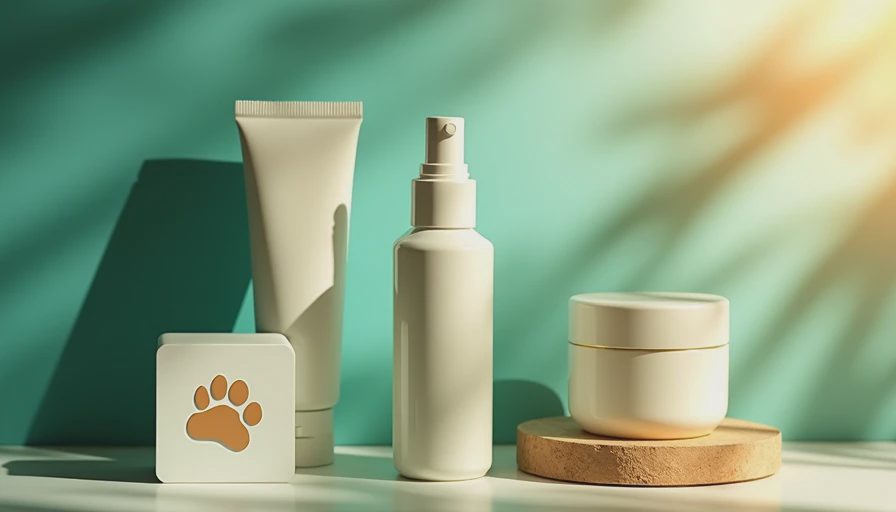
A ten-minute airport or drugstore shopping method
Start with the job, not the brand. If you need a professional face for one morning, choose a tinted moisturizer or light foundation, concealer, mascara, and lip color before browsing extras. For a humid destination, a thin base and tubing mascara can be more practical than a heavy cream complexion and loose powder. In cold, dry air, a fragrance-free moisturizer under makeup may matter more than a long-wear claim.
When shopping for cosmetics free of animal testing at CVS, Walgreens, Target, or a similar retailer, use this sequence:
- Check the brand's cruelty-free mark or current policy on the package or official website.
- Read the ingredient list for known personal triggers, especially fragrance, essential oils, and drying alcohols.
- Inspect the seal, shade name, and expiration information rather than grabbing an opened tester.
- Buy the smallest sensible format when you cannot patch-test or return easily.
- Keep the receipt and photograph the product label before leaving the store.
This takes less time than buying three colorful products and discovering in the hotel bathroom that none works with your skin or your ethics. If the store lacks reliable information, choose a brand you have already researched instead of treating a vague shelf tag as confirmation.
Build a routine around skin and climate
Cosmetics free of animal testing still need to pass a travel stress test. On a flight, cabin air can leave skin feeling tight, while a humid city can turn a creamy base shiny before lunch. A sensitive-skin traveler may prefer a simple moisturizer, mineral sunscreen, concealer, and brow gel. Someone with oily skin may pack blotting papers and a pressed powder rather than adding several layers of primer and foundation.
For very dry skin, apply moisturizer several minutes before makeup and press in a small amount of cream blush instead of rubbing across flaky areas. For acne-prone skin, avoid testing a full new routine the night before a presentation. Bring one familiar base and introduce only one replacement product if luggage loss forces a purchase.
Think about wear duration too. A formula that looks good for a two-hour dinner may separate during an eight-hour workday in heat. A “long-wear” claim is not a guarantee for every face, so use the conditions as your filter: temperature, humidity, walking distance, indoor heating, and whether you can touch up privately.
How to verify a brand before packing it
Research is easiest before the emergency. Make a short note in your phone with three or four brands that offer cosmetics free of animal testing and sell products near your usual travel routes. Record the exact foundation shade, concealer name, mascara type, and retailer. This prevents a tired airport search from turning into a confusing comparison between ten nearly identical tubes.
Check the brand's own animal-testing statement and the certification directory where applicable. Look for language about finished products, ingredients, suppliers, and sales markets. Policies can change after acquisitions, new distribution arrangements, or reformulation, so do not rely on an old social media post or a blog list with no update date.
A practical backup is to pack one complete face in your personal item: a travel-size moisturizer, sunscreen, base product, concealer, mascara, lip product, and a clean sponge or compact brush. Place the products in a clear leak-resistant pouch. This costs less than replacing an entire kit near a conference hotel, where choices may be limited and prices can be higher.
What to do when a product fails
Failure information is more valuable than a vague “holy grail” recommendation. Note when the problem appeared. Did the base pill after sunscreen, become shiny at noon, sting immediately, or emphasize dry patches after four hours? Record the weather, your skin condition, the moisturizer underneath, and the amount applied. The same product can fail in a heated winter room and perform acceptably in mild weather.
If irritation develops, stop using the new product and return to familiar basics. Do not keep layering fragrance, exfoliating acids, or strong treatments in an attempt to rescue the look. Persistent swelling, pain, or a serious rash deserves medical attention rather than another makeup experiment.
For a replacement, choose cosmetics free of animal testing from a previously researched brand, and change only one variable. That makes it easier to identify the cause and reduces the chance of repeating the same mistake. Keep the packaging until you know the product works; batch details and ingredients are useful if you need to contact the company.
Turn the purchase into a reference card
After the trip, save the useful result in a compact reference card: destination climate, skin condition, retailer, budget, products used, application order, wear time, and the exact failure point. Write “packed again” only when the formula survived the real conditions, not because it looked promising under a bathroom light.
A strong card might say: cosmetics free of animal testing, dry hotel air, reactive skin, $35 budget, light base applied over fragrance-free moisturizer, comfortable for six hours, separated around the nose after a long outdoor walk. That detail helps the next rushed traveler far more than a star rating.
The best ethical travel kit is small, researched, and repeatable. Verify the animal-testing policy, match the formula to your climate, carry the essentials with you, and leave room for honest failure notes. When you shop that way, cosmetics free of animal testing become part of a workable routine instead of another last-minute decision at the drugstore.


No notes yet — write the first one.