Eyeshadow primer is most useful when makeup has to survive real conditions: a humid airport transfer, a dry hotel room, an eight-hour meeting, or a rushed application in a bathroom with poor lighting. The right formula creates a smoother base, helps color look more even, and reduces the familiar crease that appears before the first coffee break. It is not a magic shield, but it can make a small travel makeup kit much more dependable.
Start with the failure you are trying to prevent
Before buying an eyeshadow primer, identify what went wrong on your last trip. If shadow disappeared into the crease after two hours, look for a thin, quick-setting formula designed to control excess oil. If the skin around your eyes felt tight and flaky, avoid very dry, fast-drying products and choose a creamy base with a comfortable finish. If color looked dull, a lightly tinted option can neutralize uneven tone while giving powder shadow something to grip.
Climate changes the decision. Humid destinations often call for a lightweight primer that sets without feeling greasy. Cold airplane air and heated hotel rooms can make the same eyelid area feel dry, so a formula that remains flexible is more practical. For sensitive or reactive skin, keep the ingredient list simple, patch test at home, and avoid introducing a new product the night before an important presentation.
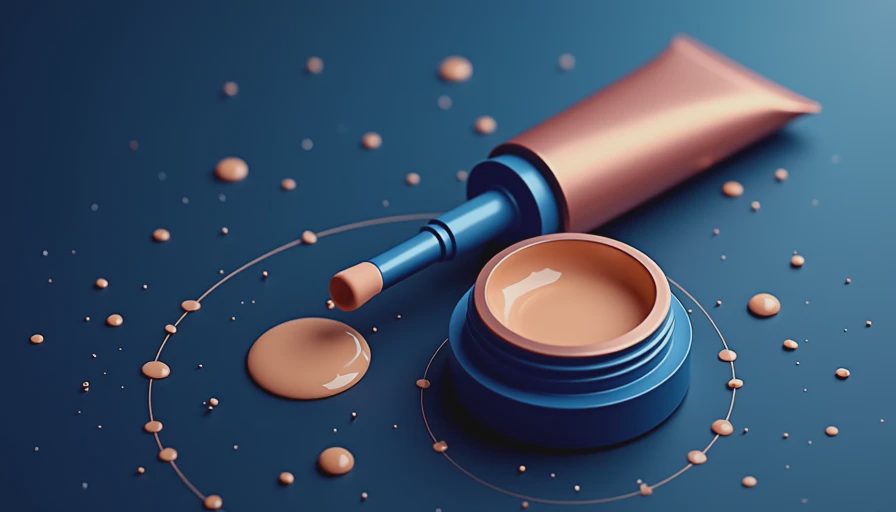
The travel constraint matters, too. A full-size tube is rarely necessary for a short trip. A small pot or squeeze tube takes little room, and one reliable base can support several looks. When choosing eyeshadow primer at a drugstore, test the texture on your hand, wait a minute, and check whether it stays tacky, slippery, or completely set.

How to apply it when time is limited
A good application starts with clean, dry eyelids. Skincare residue, sunscreen, and eye cream can make even excellent makeup slide. Use only a small amount, roughly the size of a grain of rice for both eyes, and spread it from the lash line to the brow bone. A thick layer often causes the opposite of the desired result by leaving creases or making shadow difficult to blend.
Let the base settle for about 30 to 60 seconds. If it still feels wet, gently tap away excess with a fingertip. If your lids are oily, press a very small amount of translucent powder over the crease area, but do not automatically powder the entire lid. Too much powder can make shimmer patchy and reduce the smooth color payoff you packed the product to create.
For a ten-minute morning, apply eyeshadow primer first, then do your complexion and brows while it sets. Return to the eyes afterward. This simple timing change saves blending time because powder shadow is less likely to catch on a wet patch. Cream shadow can be applied directly over some primers, while loose pigment usually benefits from a slightly tacky finish.
Matching the formula to your skin and shadow
Oily eyelids usually do best with a thin, low-slip base. NARS Smudge Proof Eyeshadow Base is a familiar higher-priced option, while Milani Eyeshadow Primer is often easy to find at a drugstore and suits a budget-conscious kit. Urban Decay Eyeshadow Primer Potion offers several finishes and is popular with travelers who want a recognizable, dedicated product rather than using concealer.
Dry eyelids need a different approach. A hydrating primer can feel better, but heavy oils or rich eye creams underneath may shorten wear. Use a small amount of moisturizer earlier, give it time to absorb, and then apply a flexible eyeshadow primer. If powder catches on dry spots, press it on instead of sweeping repeatedly across the lid.
Concealer can work in an emergency, especially when luggage is missing, but it is not always a substitute. Some concealers remain emollient and crease quickly; others dry down so firmly that shadow becomes difficult to blend. If concealer is your only option, use a thin layer and set just the crease before applying color.
Building a three-product travel eye kit
A practical carry-on kit does not need a dozen palettes. Pack eyeshadow primer, one neutral cream or satin shadow, and a small palette with a medium matte shade. The primer improves the odds that each shade will last, while the cream color gives you a fast one-step look for an early meeting. The matte shade can define the crease or soften the edges when you have more time.
For a hot destination, choose a compact pencil or cream shadow that sets firmly, then layer powder only where you need extra depth. For a cold, dry destination, keep the primer and shadow in a sealed makeup bag away from a hotel heater. Extreme temperature swings can change texture, so let products return to room temperature before judging their performance.
When space is extremely limited, eyeshadow primer can also help a small amount of powder look more vivid. That does not mean applying a thick layer. It means using a controlled base so you can pack less color and still create contrast. Wipe the nozzle or rim before closing the container; dried residue can prevent a tight seal and create a messy toiletry bag.
A realistic wear test before the flight
Test the complete routine at home, not just the product on your hand. Apply eyeshadow primer at the time you would normally get ready, add your planned shadow, and take a photo in natural light. Check the look after four hours, then again near the end of the day. Note whether the issue is creasing, fading, patchiness, transfer, or discomfort. Those are different failures and require different changes.
Repeat the test after exercise or a warm commute if humidity is your concern. If the shadow survives indoors but breaks apart outside, reduce skincare beneath the base and choose a thinner layer. If it fades evenly without creasing, the formula may be working even though it is not producing dramatic, all-day intensity. Useful notes include the temperature, humidity, application time, shadow brand, and whether mascara or eyeliner transferred.
Do not test a new primer for the first time before a client dinner or conference presentation. A small trial can reveal pilling, irritation, or a color shift that is easy to miss during a rushed morning. One dependable product is more valuable than an exciting new launch that has never faced your actual travel conditions.
What to pack for the backup plan
Place the product in a clear liquids bag if it is a cream or gel and keep it accessible rather than buried under shoes and chargers. Bring a cotton swab or a clean fingertip for quick repairs. If your eyelids crease during the day, remove the excess color from the fold first, then tap on a tiny amount of eyeshadow primer only if the area is clean and dry. Add shadow sparingly instead of layering more product over oil.
For a lost-luggage scenario, an airport pharmacy or general drugstore may carry basics from brands such as e.l.f., Milani, Maybelline, or NYX. Availability differs by location, so photograph the label of the formula that works at home. That makes an emergency replacement faster and reduces the chance of choosing a random product based only on packaging.
The best routine is the one you can repeat under pressure. Choose a formula that matches your skin, test it in the climate you expect, apply a thin layer, and record what happened. With those details, eyeshadow primer becomes a practical part of a travel system rather than another item in an overcrowded makeup bag.


No notes yet — write the first one.