Mascara waterproof becomes useful when regular makeup cannot keep up with real conditions: a humid airport, a sudden rainstorm, a long business meeting, or an emotional event after a red-eye flight. The best formula is not automatically the most expensive one. It is the one that survives your climate, lashes, eye sensitivity, and removal routine without leaving you with hard, flaky lashes by evening.
I think about this product as travel equipment rather than a beauty novelty. Before buying, ask what usually ruins your mascara. Is it sweat transferring to the upper lid, watery eyes, oily skin breaking down the formula, or dry air making your lashes feel brittle? Your answer determines whether mascara waterproof is genuinely helpful or simply harder to remove.
When mascara waterproof is worth packing
For hot, humid destinations, a waterproof formula can prevent dark smudges along the brow bone and lower lash line. It is also useful for outdoor weddings, beach days, long commutes, and travel days when you will not have time for repeated touch-ups. A coat applied at 7 a.m. can look presentable through an afternoon meeting if you keep the rest of the eye makeup light.
Waterproof does not mean completely transfer-proof in every situation. Heavy eyelid oil, rubbing, rich eye cream, and very wet eyes can still disturb the finish. Curling your lashes first and applying a thin coat usually works better than loading on several layers. Thick applications take longer to dry and can create flakes when you blink or remove makeup later.
Drugstore options from Maybelline, L'Oréal, CoverGirl, and Essence are easy to find at CVS, Walgreens, Target, and airport-area stores. Prices often range from about $7 to $16, while prestige options from brands such as Lancôme, Clinique, and Benefit commonly cost more. A higher price can mean a better brush or a more comfortable finish, but it does not guarantee better performance in your particular climate.
Match the formula to your climate and lashes
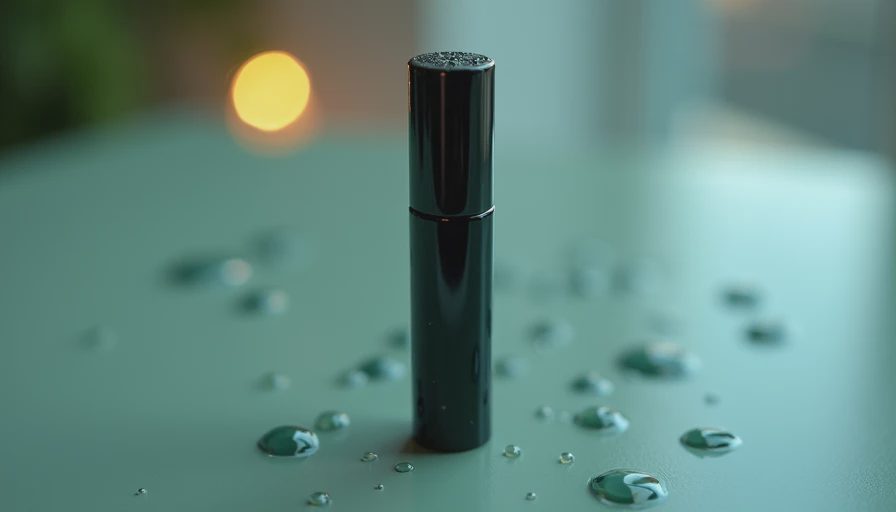
In tropical humidity, look for a formula that dries relatively quickly and holds a curl. A curved brush can help lift straight lashes, while a slim brush is easier to control if your lashes are short or sparse. If you have oily lids, keep moisturizer and sunscreen away from the lash roots, since emollient residue can weaken even mascara waterproof.
Dry winter air creates a different problem. A strong waterproof product may stay in place but leave lashes feeling stiff. Use a small amount of fragrance-free eye moisturizer around the orbital bone, not directly on the lash line, and allow it to settle before makeup. Avoid adding more and more mascara during the day. A second heavy layer can make dry lashes look clumpy rather than fuller.
For sensitive or reactive eyes, read the ingredient list and avoid testing a new product on the morning of an important event. Apply it at home for several hours first. Burning, persistent redness, swelling, or discomfort is a reason to remove the product and stop using it. Waterproof performance is never worth ignoring an eye reaction.
A ten-minute application routine
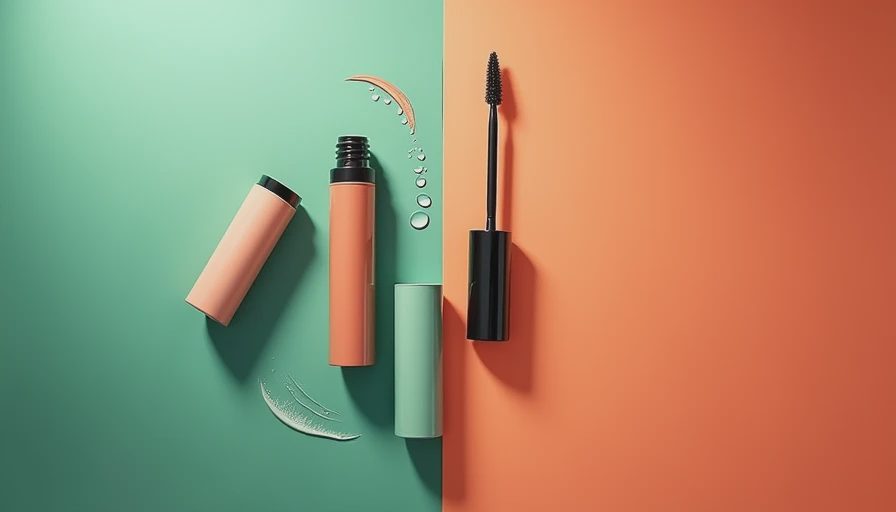
Start with clean, dry lashes. If you use an eyelash curler, curl near the base, then the middle, using gentle pressure rather than clamping repeatedly. Wipe excess product from the mascara wand on the tube opening. This simple step prevents the heavy, wet clumps that are especially difficult to correct once a waterproof formula sets.
Place the brush at the lash roots and wiggle it slightly before pulling toward the tips. Use the narrow end of the brush for inner-corner lashes and the tip for lower lashes. Give the first coat about 30 to 60 seconds to settle, then add a second coat only where you need more definition. For a work trip, black-brown can look softer and more forgiving than intense black while still making the eyes appear defined.
If mascara waterproof transfers under your eyes, the problem may not be the formula alone. Concealer, eye cream, foundation, or natural oil can create a slippery surface. Press a small amount of translucent powder beneath the lower lash line, then remove any visible flakes with a clean cotton swab.
Removing it without punishing your lashes
Removal is where many otherwise good waterproof products fail. Do not scrub with a dry tissue or pull at lashes that have stuck together. Saturate a cotton pad with a bi-phase eye makeup remover or a gentle cleansing oil. Hold it over the closed eye for 15 to 20 seconds so the formula can dissolve before wiping downward.
Repeat with a fresh section of the pad rather than dragging the same makeup across the eyelid. For the lash roots, use a cotton swab dipped in remover and work carefully with the eye closed. Follow with a gentle cleanser if the remover leaves an oily film. If you wear contact lenses, remove them before cleansing and follow the product instructions for eye-area use.
Some people prefer tubing mascara for easier removal with warm water, but it does not always provide the same humidity resistance as a traditional waterproof formula. Pack whichever option has already worked for you. A last-minute airport purchase is a poor time to discover that a product stings or leaves black residue on your skin.
What to pack for a difficult travel day
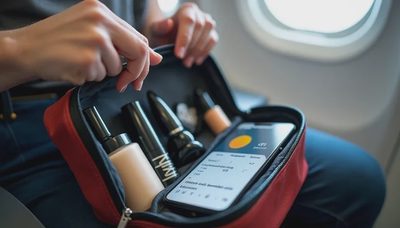
For a three-product carry-on kit, pack mascara waterproof, a small makeup remover, and cotton swabs. If space allows, add a clean spoolie and a tiny lash curler. The spoolie is useful for separating clumps, while cotton swabs handle transfer without requiring a full makeup redo. Place liquids in a clear bag and protect the mascara tube from extreme heat inside a personal item rather than leaving it in a hot car.
A practical test is to wear the product during an ordinary demanding day before your trip. Note the weather, application time, whether you used eye cream, and the first moment it changed. Did it smudge at noon, flake after eight hours, or remain comfortable until removal? That information is more useful than a vague claim that a product is long-wearing.
If your destination has both humid streets and aggressively air-conditioned offices, use a light first coat and carry a remover-soaked cotton swab in a sealed pouch. You can fix a small transfer quickly instead of adding more product over it.
A simple buying decision
Choose mascara waterproof when your main concern is moisture, sweat, tears, or a curled-lash finish that regular mascara cannot maintain. Choose a washable or tubing formula when easy removal, soft lashes, or eye comfort matters more than maximum resistance. If you are shopping at a drugstore, compare the brush shape, not just the front-label promise. A compact tapered brush may be more useful than a large hourglass brush if you have small or deep-set eyes.
The best travel formula is the one you can apply neatly, wear comfortably, and remove completely. Test it under conditions that resemble your trip, record when it fails, and pack the smallest supporting kit that solves that failure. With that approach, mascara waterproof stops being an emergency gamble and becomes a dependable part of a climate-ready makeup bag.


No notes yet — write the first one.