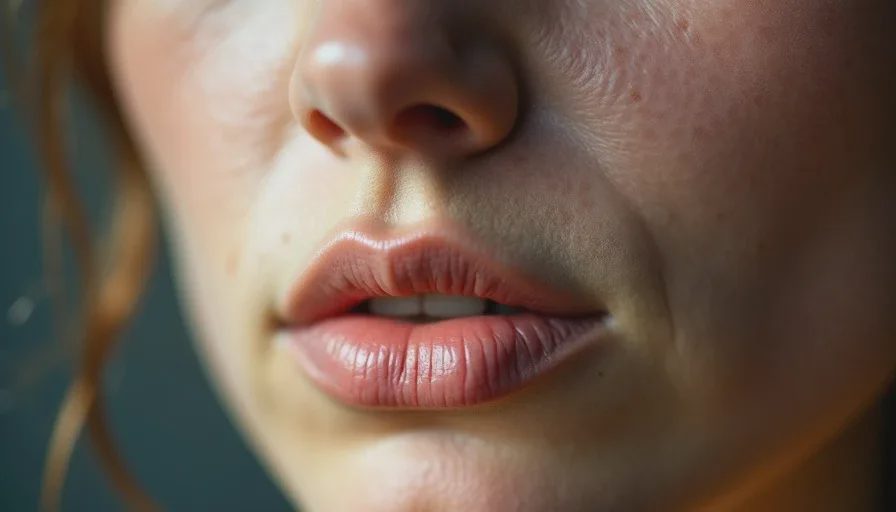
You are in Denver. You applied your foundation at 7 AM. By the time you sit down for lunch, it has cracked along your nose, settled into every fine line around your mouth, and created a visible, textured film on your cheeks that no amount of blending can fix.
This is not a product failure. It is a climate failure. Colorado's dry air does something specific to foundation that most beauty advice ignores: it pulls moisture from the skin so aggressively that any formula relying on surface hydration to stay flexible will crack, cling, and separate.
This is not a "best foundation for dry skin" list. This is a diagnostic and repair protocol for one specific scenario: your foundation cracked in Colorado, and you need to know what to change first.
Why Colorado Dry Air Destroys Foundation
Colorado's climate is not just "dry." It is structurally hostile to liquid foundation.
In winter, outdoor relative humidity in Denver can drop below 15%. Indoors, heating systems pull that number down even further—sometimes to 7–20%. This is drier than most deserts. The air is so dry that it acts like a sponge, pulling moisture from any surface it touches.
Your skin is the first surface it touches. The stratum corneum—the outermost layer of skin—loses water to the air faster than it can replenish it. This is called transepidermal water loss (TEWL). When TEWL is high, the skin surface becomes rough, uneven, and less pliable.
Foundation applied to this surface does not sit smoothly. It clings to the dry patches, settles into the fine cracks between dead skin cells, and creates a visible, textured film that looks like cracked paint. The formula is not "bad." The skin underneath is not "bad." The combination is structurally unstable.
There is a second mechanism. Most liquid foundations contain film-forming polymers—ingredients that create a long-wearing, flexible layer on the skin. In humid climates, these polymers stay soft and move with the skin. In dry air, they shrink-wrap over dry zones, pulling tight and highlighting every bump and flake.
The practical consequence: a foundation that works in Florida will crack in Colorado unless you change the prep, the application, or the formula. You cannot solve this problem by buying a different foundation alone.
The Fix Order: What to Change First
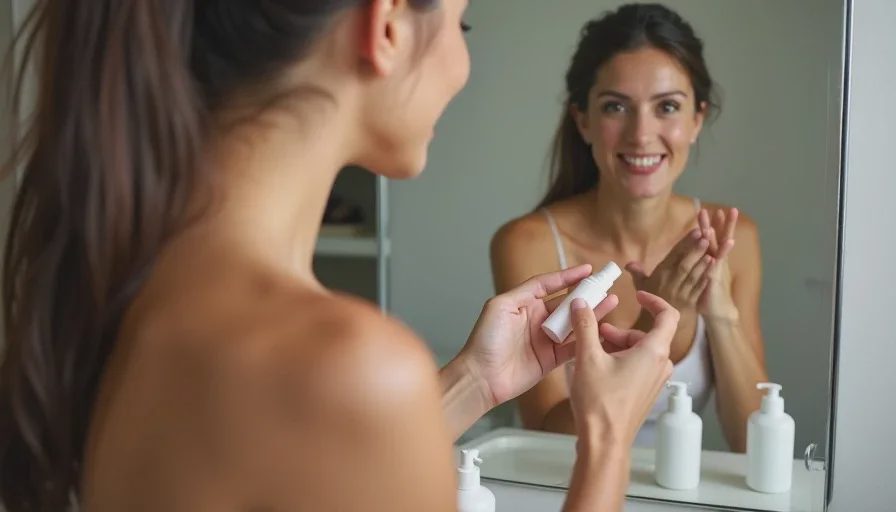
Most people respond to cracked foundation by buying a new foundation. This is the fourth-most-effective fix. The first three fixes cost less, take less time, and address the actual cause.
Here is the correct order.
Fix 1: Hydrate the Skin Before You Touch Any Makeup (Highest Impact)
This is the fix that matters most. If you change nothing else, change this.
Cracked foundation in dry air is almost always a dehydration problem before it is a product problem. When skin lacks water, the surface is less smooth and plump, and foundation settles into fine lines and pores instead of sitting smoothly on top.
What to do differently:
Apply a hyaluronic acid serum to damp skin. After cleansing, while your skin is still slightly wet, press a hyaluronic acid serum into your face. The water on your skin gives the HA something to bind to, which pulls moisture into the surface layers. This creates a plumper, smoother base for foundation.
Wait 60 seconds, then apply moisturizer. Do not rush this. The serum needs a moment to absorb before the moisturizer seals it in. A minute or two between layers makes a real difference in how smoothly foundation applies.
Choose a moisturizer with ceramides or squalane. These ingredients support the skin barrier and help the skin hold onto water instead of losing it to the dry air. In Colorado, a lightweight gel moisturizer is not enough. You need something with occlusive or emollient ingredients that create a barrier against moisture loss.
Press the moisturizer in, do not just rub it on. Pressing warms the product and helps it absorb more evenly, which softens dry patches before foundation touches them.
Why this is first: If the skin underneath is hydrated and pliable, even a mediocre foundation will look better. If the skin is dehydrated, even the best foundation will crack.
Fix 2: Change the Foundation Formula, Not the Shade (Second-Highest Impact)
If your skin is properly hydrated and the foundation still cracks, the formula is wrong for the climate.
What to look for:
Hydrating, serum-based, or cream formulas. These move with the skin rather than sitting on top of it. They stay flexible in dry air because they contain humectants (like glycerin and hyaluronic acid) that draw moisture into the formula itself.
Dewy or satin finish, not matte. Matte foundations contain ingredients like silica, talc, or alcohol that absorb oil and moisture from the skin's surface. On well-hydrated skin, this creates a matte finish. On dry skin, these ingredients pull moisture from already-compromised areas, causing the product to separate, crack, and gather in crevices.
Buildable coverage, not full coverage. Full-coverage formulas are thicker and less flexible. They crack more easily in dry air. A medium-coverage, buildable formula allows you to apply thin layers that move with the skin.
The most reliable formula category for Colorado: A hydrating serum foundation or a cream-based tint. Armani Luminous Silk Foundation is consistently recommended for dry skin because it combines glycerin (a humectant) with niacinamide (a barrier-supporting ingredient) and a medium-buildable coverage that does not shrink-wrap over dry patches. Maybelline Fit Me Dewy + Smooth is the most reliable drugstore option for normal to dry skin, with a luminous finish that does not emphasize texture.
What to stop buying: Any foundation labeled "matte," "oil-free," "24-hour," or "transfer-proof." These formulas are designed for oily skin in humid climates. In Colorado dry air, they crack.
Fix 3: Change the Application Method (Third-Highest Impact)
Even with the right formula and hydrated skin, the wrong application technique can cause cracking.
What to do differently:
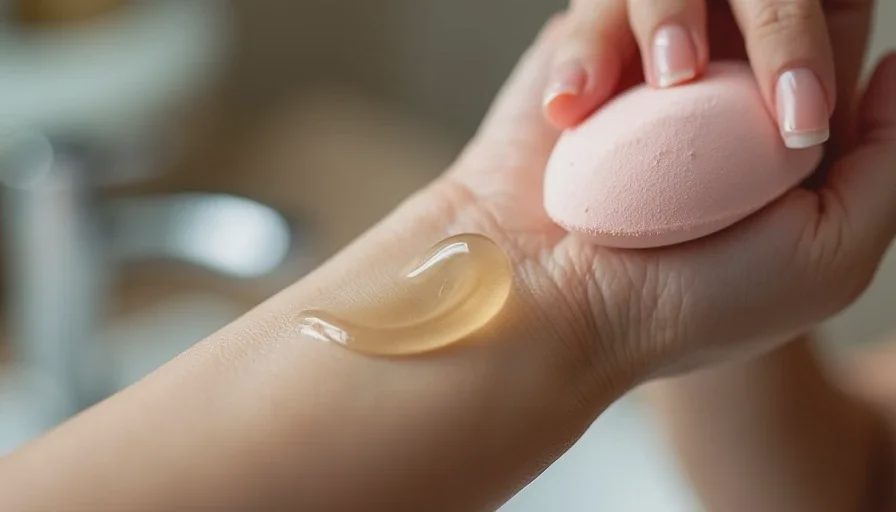
Use a damp sponge, not a brush or fingers. A damp sponge presses foundation into the skin with a light, even pressure that does not drag across dry patches. Brushes can create micro-exfoliation that lifts flakes. Fingers deposit oil and warmth that can cause uneven application.
Apply in thin layers, not one thick layer. A single thick layer of foundation is more likely to crack because it cannot flex with the skin. Two or three thin layers, applied with a damp sponge, create a flexible film that moves with the face.
Do not powder the full face. Powder is the single most common cause of cracked foundation in dry air. Powder sits on top of the skin, absorbs moisture from the foundation underneath, and creates a tight, chalky film that cracks when you smile or talk. Powder only the T-zone—forehead, nose, and chin—and use the smallest amount possible. Leave the cheeks, jawline, and perimeter of the face unpowdered.
Mix a drop of serum or facial oil into the foundation. If your foundation still feels dry or difficult to blend, mix one drop of hyaluronic acid serum or a lightweight facial oil into the foundation on the back of your hand before applying. This thins the formula, adds moisture, and makes it glide over dry patches without gripping.
Fix 4: Change the Setting Product (Fourth-Highest Impact, But Still Important)
Setting spray is the last step, but it can undo all the work of the first three fixes if you choose the wrong one.
What to look for:
A hydrating or alcohol-free setting spray. Alcohol-based setting sprays evaporate quickly and pull moisture from the skin, which accelerates cracking in dry air. Choose a spray formulated for dry or normal skin with humectants like glycerin or hyaluronic acid.
A dewy or natural finish, not matte. Matte setting sprays contain powder or oil-absorbing ingredients that create the same dry, tight film as powder. A dewy setting spray adds a light layer of moisture that helps the foundation stay flexible.
How to apply: Spray after foundation and powder (if you used powder). Hold the bottle 8–10 inches from your face and mist in a Z-pattern. Do not spray so much that the skin looks wet. One light pass is enough.
What to Do If Your Foundation Has Already Cracked
You are at work. It is 11 AM. Your foundation is cracking. You cannot go home and start over.
The emergency repair:
Do not add more powder. Powder will make the cracking worse. It will sit on top of the cracked foundation and create a visible, textured layer.
Spritz a hydrating facial mist over the cracked areas. A light mist reactivates the foundation and softens the dry patches. Let it sit for 10–15 seconds.
Press, do not wipe, with a damp sponge. Gently press the damp sponge over the cracked areas to blend the foundation back into the skin. Do not swipe—swiping will lift the foundation and create patches.
If the cracking is severe, tap a tiny amount of concealer over the worst areas. Use a hydrating concealer, not a matte one. Tap with your ring finger and blend the edges.
Do not re-powder. Let the foundation settle. The mist and the damp sponge will have reactivated it enough to get you through the next few hours.
What not to do: Do not apply more foundation over the cracked areas. Do not use a mattifying blotting paper. Do not add powder. Each of these will make the cracking more visible, not less.
FAQ: Foundation Cracking in Colorado Dry Air
What if I have oily skin and still get cracked foundation in dry air?
Oily skin can still be dehydrated. The oil on the surface does not mean the skin underneath has enough water. In Colorado, the dry air pulls water from the skin regardless of oil production. Use a hydrating serum underneath a lightweight gel moisturizer, then apply a hydrating foundation. If your skin feels oily by midday, blot with a tissue—do not powder. Powder will crack over dehydrated skin even if the surface is oily.
What if I only have five minutes to get ready?
Skip the powder entirely. Apply a hyaluronic acid serum to damp skin, wait 30 seconds, apply moisturizer, wait 30 seconds, apply foundation with a damp sponge, and spray a hydrating setting mist. The mist replaces the need for powder and adds a layer of moisture that prevents cracking. In dry air, blotting is more effective than powder for controlling shine without creating a chalky film.
What if my foundation cracks only around my nose and mouth?
These are the areas where the skin moves the most and where dryness is often the most severe. Apply a thicker layer of moisturizer specifically on these areas before foundation. If cracking still happens, mix a drop of facial oil into the foundation and apply only to these zones. Do not powder these areas—powder will crack immediately when you smile or talk.
What if I use a primer and my foundation still cracks?
Most primers are designed for oily skin or for extending wear in humid climates. They are often silicone-heavy or mattifying, which fights against the hydrating products underneath. In Colorado, skip the primer entirely, or use a hydrating primer only on the T-zone. A hydrating serum and moisturizer are more effective than a primer for preventing cracking in dry air.
What if I exfoliate and my foundation still cracks?
Exfoliation removes dead skin cells that contribute to texture and flaking, but over-exfoliation damages the skin barrier and makes TEWL worse. Exfoliate gently once or twice a week with a mild AHA (like lactic acid), not a scrub. If your skin is reactive or tight, stop exfoliating for a week and focus only on hydration. The barrier needs to repair before exfoliation helps.
What if I drink plenty of water and my skin is still dry?
Drinking water supports overall hydration, but it does not directly hydrate the stratum corneum. Topical hydration—serums, moisturizers, and barrier-supporting ingredients—is what makes the difference for foundation wear. Internal hydration is necessary but not sufficient. You need both.
What if the cracking happens only in winter?
Winter is the most common season for foundation cracking in Colorado because outdoor humidity drops and indoor heating pulls even more moisture from the air. Your winter routine should be richer than your summer routine. Use a heavier moisturizer, add a facial oil if needed, and switch to a hydrating foundation formula. Do not use the same products year-round in a climate with this much seasonal variation.
What if I have sensitive or reactive skin?
Avoid hyaluronic acid serums that contain alcohol or fragrance. Choose a serum with glycerin, ceramides, or squalane—these are gentler and support the barrier without causing irritation. Patch-test any new product on your jawline before applying it to your full face. If your skin reacts to a new foundation, stop using it immediately and return to a formula you know is safe.



No notes yet — write the first one.